

Archive for genetics and genomics
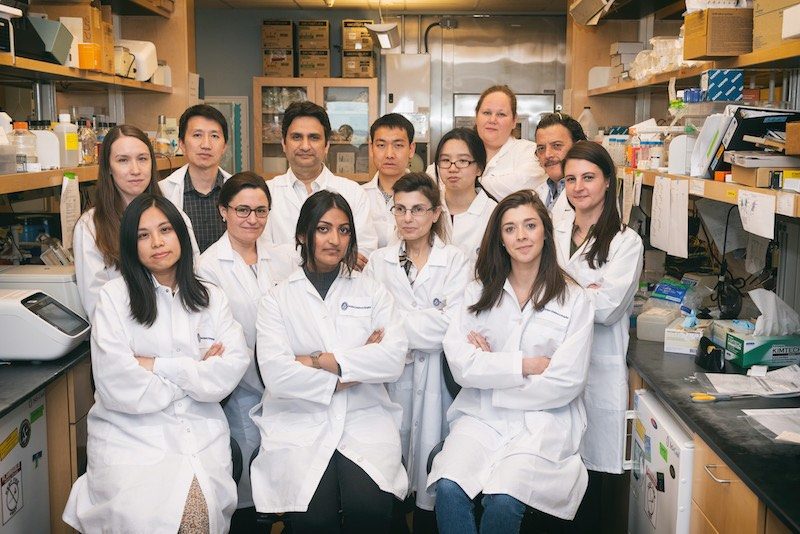
Solving genetic mysteries – in the NICU and beyond
A growing number of children with suspected genetic disorders are having their complete exomes sequenced, since it’s now often faster and cheaper to sequence all the protein-coding genes at once rather than test limited groups of genes. But even after whole-exome sequencing, 70 to 75 percent of children come away without a genetic explanation for ... Read More about Solving genetic mysteries – in the NICU and beyond
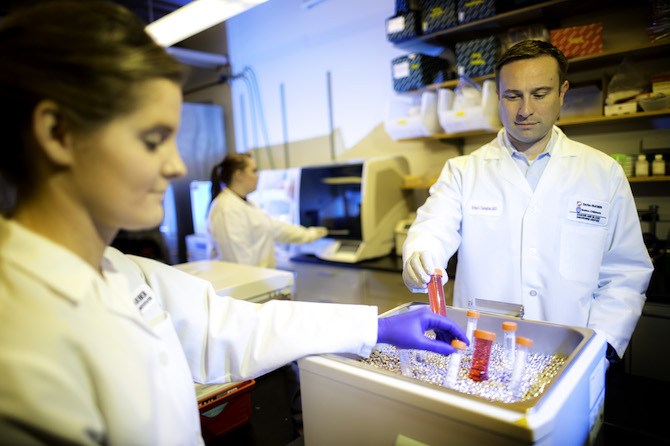
ctDNA: Bringing ‘liquid biopsies’ to pediatric solid tumors
Our blood carries tiny amounts of DNA from broken-up cells. If we have cancer, some of that DNA comes from tumor cells. Studies performed with adult cancers have shown that this circulating tumor DNA (ctDNA) may offer crucial clues about tumor genetic mutations and how tumors respond to treatment. Brian Crompton, MD, with colleagues at ... Read More about ctDNA: Bringing ‘liquid biopsies’ to pediatric solid tumors

Gene panel helps investigate sudden unexpected death in children
Almost 10 percent of pediatric deaths occur suddenly and without explanation. In this terrible situation, the first question many parents have is “Why?” For most, answers never come. Childhood deaths that cannot be explained by traditional autopsy and death-scene investigation are referred to as sudden unexplained deaths in pediatrics (SUDP). In children, these deaths are ... Read More about Gene panel helps investigate sudden unexpected death in children
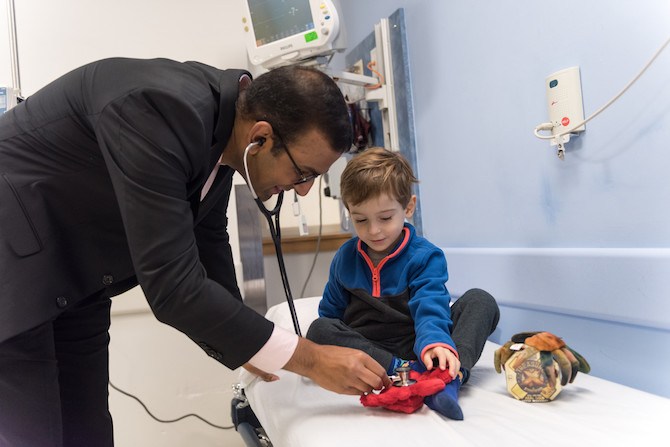
After 80 years, genetic causes of Diamond-Blackfan anemia come into view
In 1938, Louis K. Diamond, MD, and Kenneth Blackfan, MD, at Boston Children’s Hospital described a severe congenital anemia that they termed “hypoplastic” (literally, “underdeveloped”) because of the bone marrow’s inability to produce mature, functioning red blood cells. Eighty years later, the multiple genetic origins of this highly rare disease, now known as Diamond-Blackfan anemia, or ... Read More about After 80 years, genetic causes of Diamond-Blackfan anemia come into view
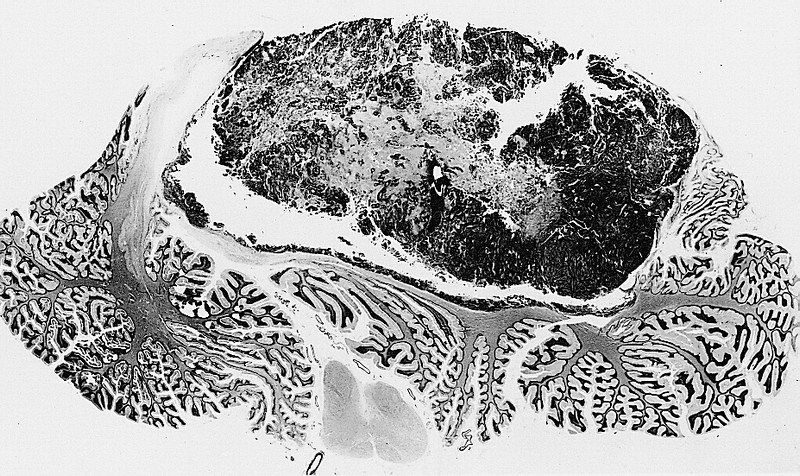
Typing medulloblastoma: From RNA to proteomics and phospho-proteomics
Medulloblastoma is one of the most common pediatric brain tumors, accounting for nearly 10 percent of cases. It occurs in the cerebellum, a complex part of the brain that controls balance, coordination and motor function and regulates verbal expression and emotional modulation. While overall survival rates are high, current therapies can be toxic and cause secondary ... Read More about Typing medulloblastoma: From RNA to proteomics and phospho-proteomics

Tracking the elusive genes that cause strabismus
Strabismus is a common condition in which the eyes do not align properly, turning inward, outward, upward or downward. Two to four percent of children have some form of it. Some cases can be treated with glasses or eye patching; other cases require eye muscle surgery. But the treatments don’t address the root causes of strabismus, which ... Read More about Tracking the elusive genes that cause strabismus
A perfect genetic hit: New gene mutation implicated in rare congenital diarrhea
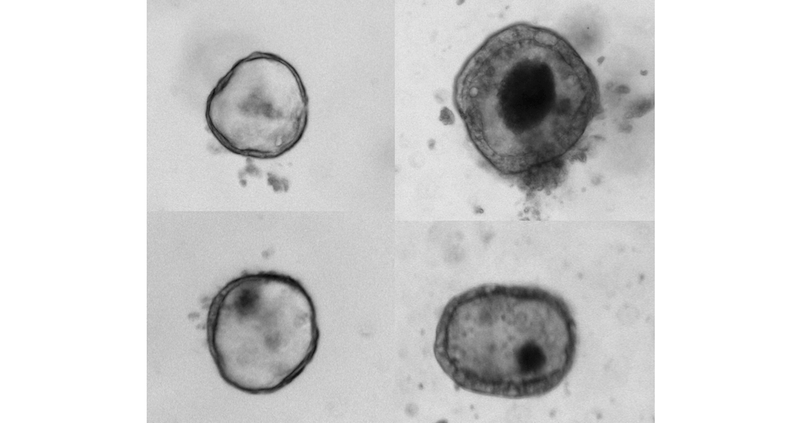
When the 1-year-old boy arrived from overseas, he was relying on total parenteral nutrition — a way of bypassing the digestive system to provide nutrients and calories completely intravenously — to survive. From the time of his birth, he had experienced unexplainable diarrhea. Answers were desperately needed. Sequencing his genes in search of clues, neonatologists ... Read More about A perfect genetic hit: New gene mutation implicated in rare congenital diarrhea

A huge leap for cloning
Animal cloning, the creation of a genetically identical copy of an individual organism, holds promise for many different reasons, including its use to conserve endangered species and to improve our understanding of developmental biology, which could eventually help us prevent or reverse developmental disorders from the get-go. Although more than 20 species of animals have ... Read More about A huge leap for cloning
Getting a grip on genetic loops
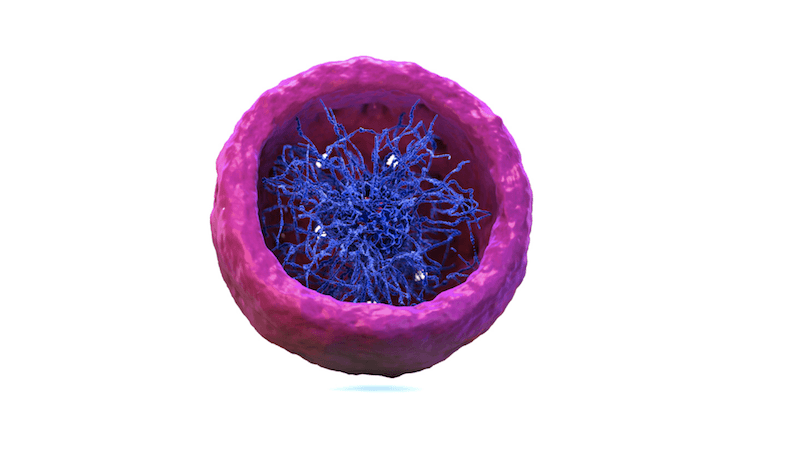
A new discovery about the spatial orientation and physical interactions of our genes provides a promising step forward in our ability to design custom antibodies. This, in turn, could revolutionize the fields of vaccine development and infection control. “We are beginning to understand the full biological impact that the physical structure and movement of our ... Read More about Getting a grip on genetic loops
Taking a sideswipe at high-risk neuroblastoma
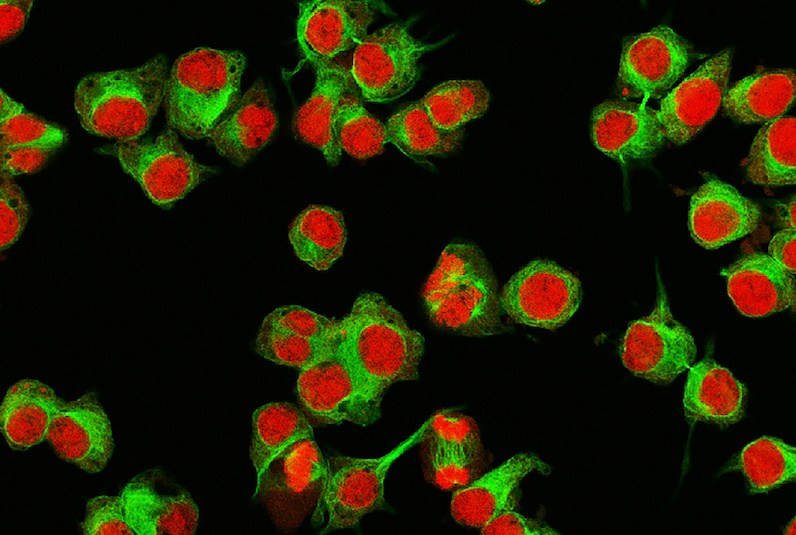
Cancer and other diseases are now understood to spring from a complex interplay of biological factors rather than any one isolated origin. New research reveals that an equally-nuanced approach to treating high-risk neuroblastoma may be the most effective way to curb tumor growth. One challenge in treating pediatric cancers like neuroblastoma is that they are ... Read More about Taking a sideswipe at high-risk neuroblastoma