

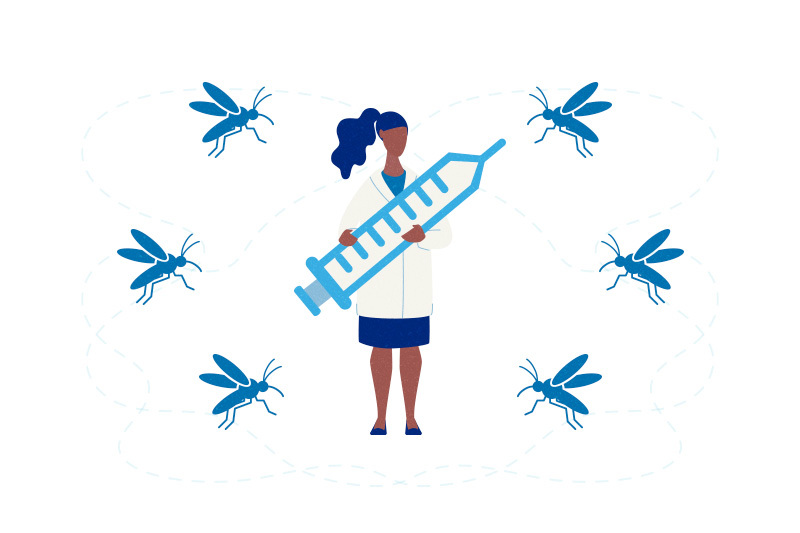
Specialized T cells protect against the deadliest form of malaria
Each year, there are about 230 million cases of malaria globally. Children under the age of 5 are at highest risk of serious illness and death, accounting for about 265,000 deaths, or nearly 70 percent of all malaria deaths worldwide. Despite significant time and money poured into efforts to develop an effective malaria vaccine, the ... Read More about Specialized T cells protect against the deadliest form of malaria
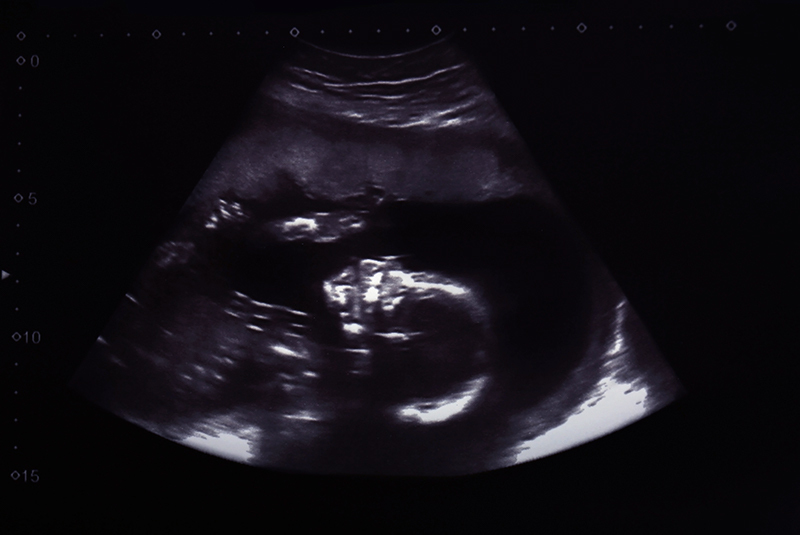
Innovative new shunt delivery system holds promise for treatment of fetal urinary tract obstruction
Urinary tract obstruction that occurs in utero can have serious consequences for the fetus. Such obstructions can block the flow of fetal urine, which makes up amniotic fluid. Without adequate levels of amniotic fluid, a fetus may not develop properly, especially in terms of the fetal lungs. Fetal urinary tract obstructions can range from mild ... Read More about Innovative new shunt delivery system holds promise for treatment of fetal urinary tract obstruction

‘Mosaic’ gene mutations could explain some cases of autism
The causes of autism remain mysterious. Scientists have linked autism spectrum disorder to a long list of genes, but most children with autism have no known explanation. Two new studies add to the picture, implicating mutations that affect only a fraction of a child’s cells. Called mosaic mutations, they open a new avenue for research ... Read More about ‘Mosaic’ gene mutations could explain some cases of autism
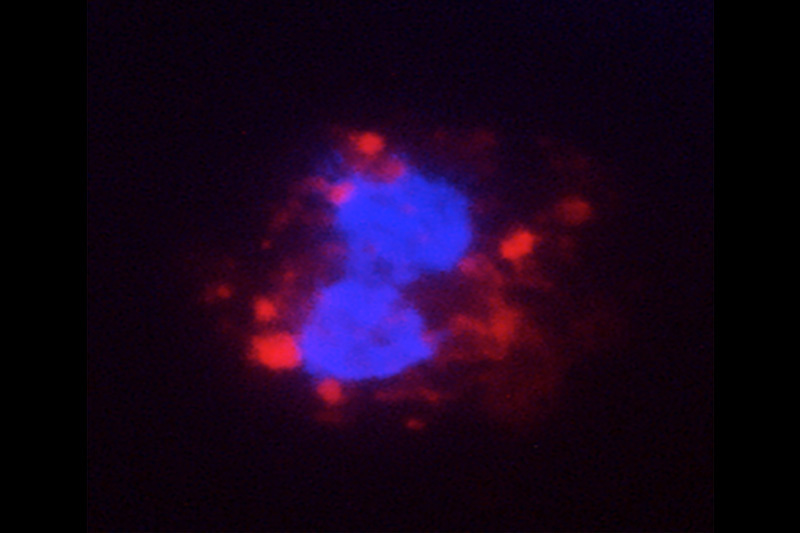
Therapy developed at Boston Children’s stops preeclampsia before it starts
Preeclampsia occurs in about 3 to 5 percent of all pregnancies. Characterized by very high maternal blood pressure, it can lead to serious, sometimes fatal, complications in both mother and baby. In severe cases, early delivery is often the only effective treatment, usually before the baby’s lungs are fully developed. Researchers within the Division of ... Read More about Therapy developed at Boston Children’s stops preeclampsia before it starts

Hip reconstruction in complex patients: Predicting complications
Neuromuscular hip dysplasia and progressive spastic hip displacement are among the most common orthopedic concerns in non-ambulatory children with cerebral palsy (CP), leading to pain, decreased function, and impaired quality of life. While hip reconstruction surgery can improve quality of life in these children, it can be associated with acute post-operative pain, medical complications, and ... Read More about Hip reconstruction in complex patients: Predicting complications

Botulism breakthrough? Taming botulinum toxin to deliver therapeutics
While rare, botulism can cause paralysis and is potentially fatal. It is caused by nerve-damaging toxins produced by Clostridium botulinum — the most potent toxins known. These toxins often lurk in contaminated food (home canning being a major culprit). Infants can also develop botulism from ingesting C. botulinum spores in honey, soil, or dust; the ... Read More about Botulism breakthrough? Taming botulinum toxin to deliver therapeutics

Harnessing the power of machine learning to improve urology care
Urodynamics — a group of tests that evaluate how well the body collects, and then releases, urine — can be crucial for diagnosing urologic problems, particularly in children with spinal cord defects and other neurologic conditions. While urodynamics can provide clinicians with a rich set of data, the interpretation of these tests remains unstandardized. That ... Read More about Harnessing the power of machine learning to improve urology care
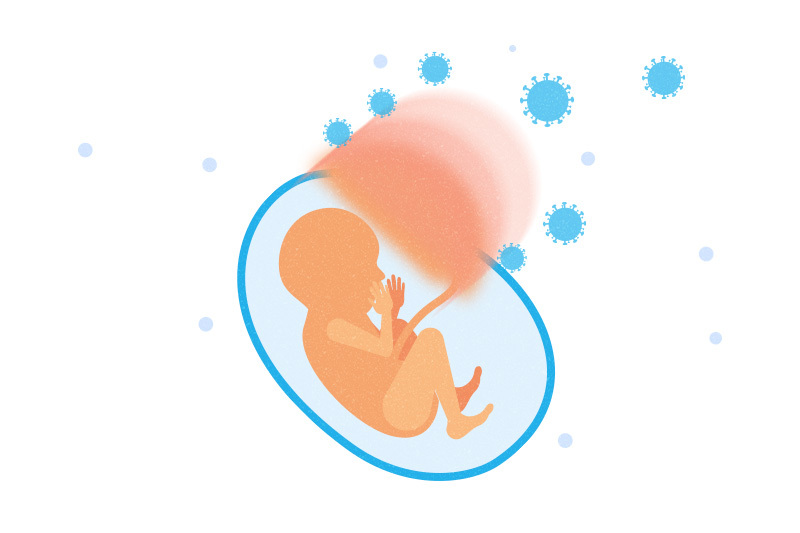
How does the placenta protect unborn babies from COVID-19?
Evidence has shown that pregnancy is a risk factor for severe illness in women with COVID-19. A recent CDC study reviewed case reports of approximately 400,000 women aged 15 to 44 with symptomatic COVID-19. Those who were pregnant had a roughly tripled likelihood of ICU admission and invasive ventilation and 70 percent higher mortality. Yet ... Read More about How does the placenta protect unborn babies from COVID-19?
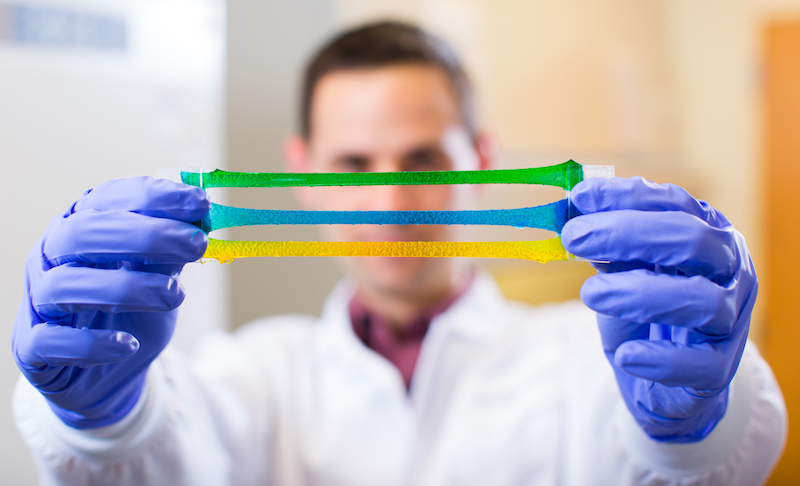
Tough yet flexible: Biologically inspired adhesive may improve fetal surgery
In children with spina bifida, the neural tube that forms the spinal cord and brain doesn’t close during early prenatal development. That leaves the nerves of the spinal cord exposed to potential damage from fetal movement and the surrounding amniotic fluid. While surgeons can repair spina bifida soon after birth, the ideal would be to ... Read More about Tough yet flexible: Biologically inspired adhesive may improve fetal surgery

Poverty predicts worse cancer outcomes, even in children receiving top-tier care
A pair of recent studies suggests that even among patients receiving advanced cancer care, poverty is a predictor of worse outcomes. The disturbing findings raise many questions that follow-up studies are now exploring. Key takeaways Poverty was associated with 3.7-fold higher mortality among children receiving targeted immunotherapy for high-risk neuroblastoma. Household poverty was associated with ... Read More about Poverty predicts worse cancer outcomes, even in children receiving top-tier care