

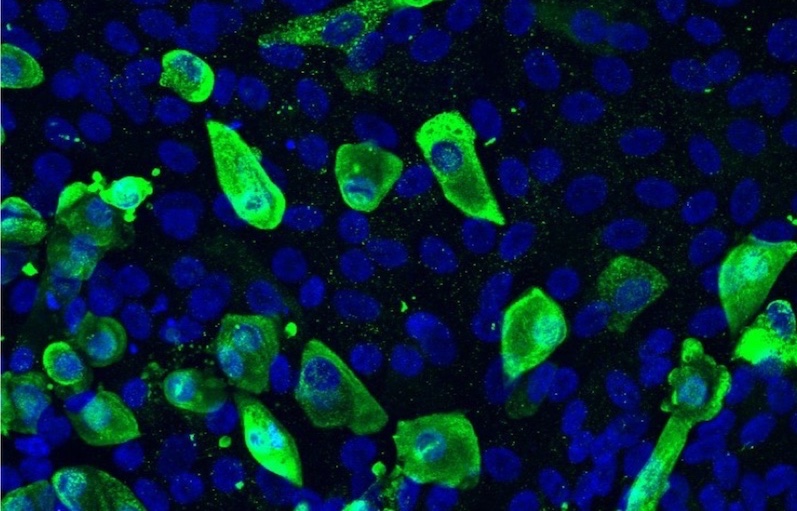
How do patients with cystic fibrosis respond to COVID-19? An ‘airway in a dish’ may give answers
So far, based on clinical data, patients with cystic fibrosis (CF) don’t appear to be especially susceptible to COVID-19. And when they do get infected, they don’t seem to get sicker. But Ruobing (Ruby) Wang, MD, who cares for patients with CF in the Division of Pulmonary Medicine at Boston Children’s Hospital, thinks there is ... Read More about How do patients with cystic fibrosis respond to COVID-19? An ‘airway in a dish’ may give answers

Specialized T cells protect against the deadliest form of malaria
Each year, there are about 230 million cases of malaria globally. Children under the age of 5 are at highest risk of serious illness and death, accounting for about 265,000 deaths, or nearly 70 percent of all malaria deaths worldwide. Despite significant time and money poured into efforts to develop an effective malaria vaccine, the ... Read More about Specialized T cells protect against the deadliest form of malaria

‘Mosaic’ gene mutations could explain some cases of autism
The causes of autism remain mysterious. Scientists have linked autism spectrum disorder to a long list of genes, but most children with autism have no known explanation. Two new studies add to the picture, implicating mutations that affect only a fraction of a child’s cells. Called mosaic mutations, they open a new avenue for research ... Read More about ‘Mosaic’ gene mutations could explain some cases of autism
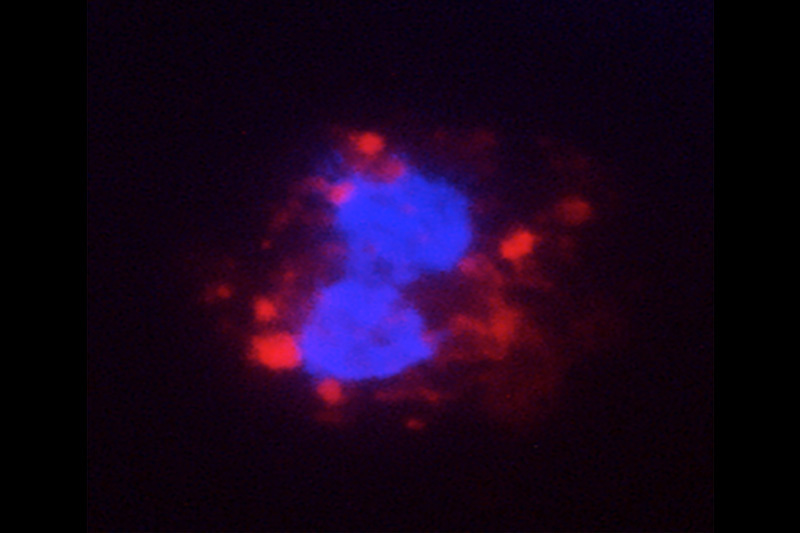
Therapy developed at Boston Children’s stops preeclampsia before it starts
Preeclampsia occurs in about 3 to 5 percent of all pregnancies. Characterized by very high maternal blood pressure, it can lead to serious, sometimes fatal, complications in both mother and baby. In severe cases, early delivery is often the only effective treatment, usually before the baby’s lungs are fully developed. Researchers within the Division of ... Read More about Therapy developed at Boston Children’s stops preeclampsia before it starts

Botulism breakthrough? Taming botulinum toxin to deliver therapeutics
While rare, botulism can cause paralysis and is potentially fatal. It is caused by nerve-damaging toxins produced by Clostridium botulinum — the most potent toxins known. These toxins often lurk in contaminated food (home canning being a major culprit). Infants can also develop botulism from ingesting C. botulinum spores in honey, soil, or dust; the ... Read More about Botulism breakthrough? Taming botulinum toxin to deliver therapeutics

Tough yet flexible: Biologically inspired adhesive may improve fetal surgery
In children with spina bifida, the neural tube that forms the spinal cord and brain doesn’t close during early prenatal development. That leaves the nerves of the spinal cord exposed to potential damage from fetal movement and the surrounding amniotic fluid. While surgeons can repair spina bifida soon after birth, the ideal would be to ... Read More about Tough yet flexible: Biologically inspired adhesive may improve fetal surgery

Missed signals? A new way we vary from each other biologically
Genetics has made huge strides over the past 20 years, from the sequencing of the human genome to a growing understanding of factors that turn genes on and off, namely transcription factors and the DNA “enhancer” sequences they bind to. New research from Boston Children’s Hospital introduces another previously unknown layer of human genetics. It ... Read More about Missed signals? A new way we vary from each other biologically

Tau protein changes correlate with Alzheimer’s disease dementia stage
Research into Alzheimer’s disease has long focused on understanding the role of two key proteins, beta amyloid and the tau protein. Found in tangles in patients’ brain tissue, a pathological form of the tau protein contributes to propagating the disease in the brain. Key takeaways A pathological form of the tau protein contributes to the ... Read More about Tau protein changes correlate with Alzheimer’s disease dementia stage

Precision chemo-immunotherapy for pancreatic cancer?
Pancreatic cancer is highly lethal and in great need of better treatments. Only about 10 percent of patients remain alive five years after diagnosis. In a new study, researchers in the lab of Marsha Moses, PhD, at Boston Children’s Hospital offer a glimmer of hope. Key takeaway An antibody-drug combination effectively targeted, penetrated, and shrank ... Read More about Precision chemo-immunotherapy for pancreatic cancer?

Why do some children exposed to the coronavirus go on to develop MIS-C?
Most children exposed to the SARS-CoV-2 coronavirus have few or no symptoms. But a small number become sick enough to go to the hospital. And a tiny handful develop a severe inflammatory illness called multisystem inflammatory syndrome (MIS-C), often weeks after initial exposure to the virus. Why? A team at Boston Children’s Hospital is using ... Read More about Why do some children exposed to the coronavirus go on to develop MIS-C?