

Archive for Nancy Fliesler

Research 2022: Tackling disease in new ways
Researchers across Boston Children’s spent 2022 imagining new solutions to old challenges in health and medicine, opening the door to brand-new treatments. Here are a few areas where research is poised to make a difference in children’s — and even adults’ — lives. Rethinking disease through genetics Genetic sequencing is becoming a fundamental tool for discovering ... Read More about Research 2022: Tackling disease in new ways

I-PASS this patient to you: Improved hospital ‘handoffs’ cut adverse events by almost half
About 15 years ago, Boston Children’s Hospital pediatricians Christopher Landrigan, MD, MPH, and Amy Starmer, MD, MPH, observed a weak link in hospital care. Medical residents were rigorously trained to take patient histories with standardized templates and to present cases in a structured format during daily rounds. Yet such structured communication was largely absent at ... Read More about I-PASS this patient to you: Improved hospital ‘handoffs’ cut adverse events by almost half

‘On fire’ with sJIA: When arthritis is much more than joint pain
Georgia is finally living her best life. Her toddler years were challenging: At 15 months old, a series of high fevers landed her at Boston Children’s Hospital for two weeks. After many rounds of tests looking for infection and a bone marrow biopsy to rule out cancer, she was diagnosed with systemic juvenile idiopathic arthritis ... Read More about ‘On fire’ with sJIA: When arthritis is much more than joint pain
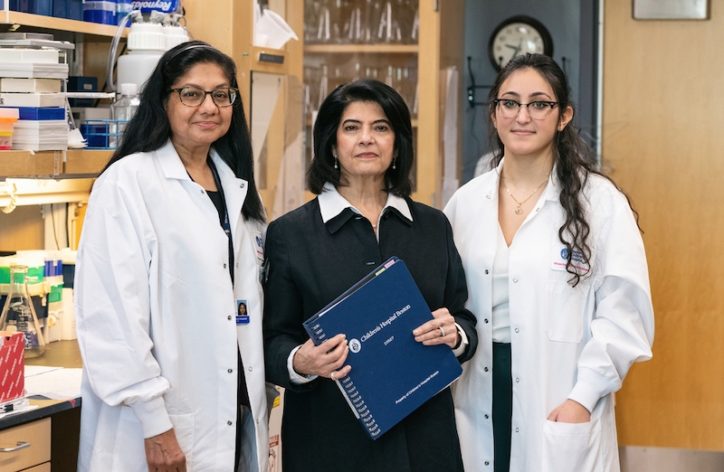
Obesity is increasing people’s risk of cancer. Why?
Obesity is now a global epidemic, and it is increasing people’s risk for cancer. The National Cancer Institute lists more than a dozen cancers that are associated with overweight and obesity. But how obesity increases cancer risk hasn’t been clear. The lab of Marsha A. Moses, PhD, at Boston Children’s Hospital, now draws a direct ... Read More about Obesity is increasing people’s risk of cancer. Why?

Rethinking the need for ADOS testing to diagnose autism in young children
The Autism Diagnostic Observation Schedule, or ADOS testing, was developed in the 1980s as a tool for autism research. Through a series of semi-structured observations, trained evaluators assess children’s communication skills, social interaction, and imaginative use of materials. But over time, the ADOS has come to be considered the gold standard for a clinical diagnosis ... Read More about Rethinking the need for ADOS testing to diagnose autism in young children
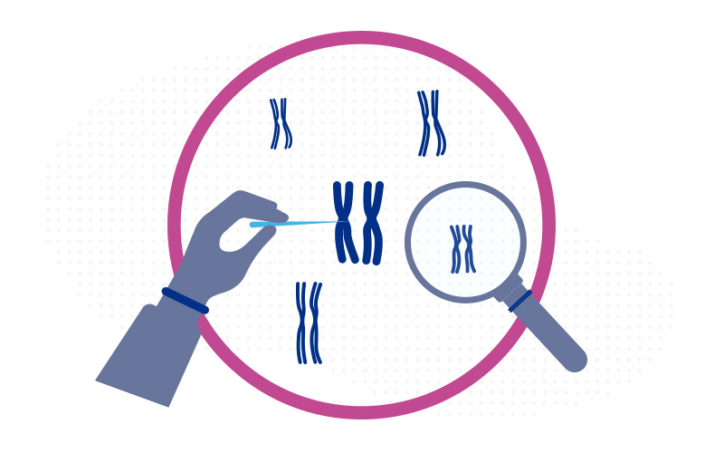
Chromosomal testing expands options for exploring causes of SIDS
When an infant or young child dies without explanation, it is not uncommon for parents to blame themselves. In some cases, unfortunately, they may be wrongly investigated by the authorities, even as they yearn for answers themselves. Most often, these answers never come. But research is slowly starting to change that. Increasing evidence suggests that ... Read More about Chromosomal testing expands options for exploring causes of SIDS

Genetic sequencing may open doors for newborns with hypotonia
When a baby is born with low muscle tone (hypotonia), the future is hard to predict, and families have a lot of questions. How should neonatologists care for these infants? Findings from a recent review could help provide some answers, guide appropriate interventions, and in some cases open the way to custom treatments. Diagnosing a ... Read More about Genetic sequencing may open doors for newborns with hypotonia
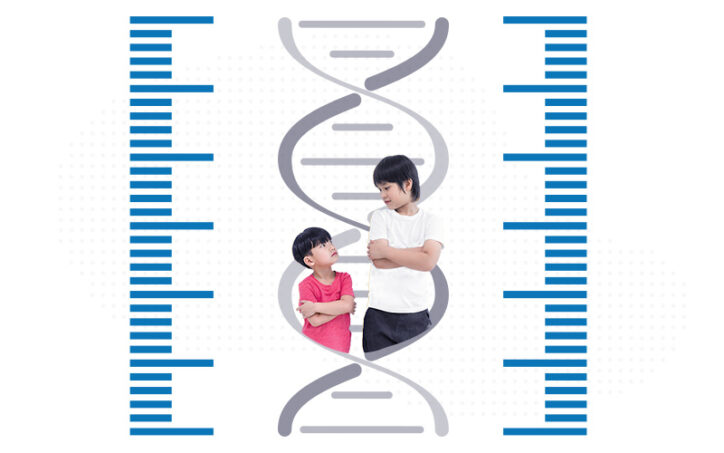
The genetics of height: Coming close to cracking the code
More than 20 years ago, as a pediatric endocrinology fellow at Boston Children’s, Joel Hirschhorn, MD, PhD, saw many children with unusually short stature, and would often tell parents that their child was growing slowly because of genetic factors. But no height-related genes had yet been identified — in fact, scientists believed there were so ... Read More about The genetics of height: Coming close to cracking the code
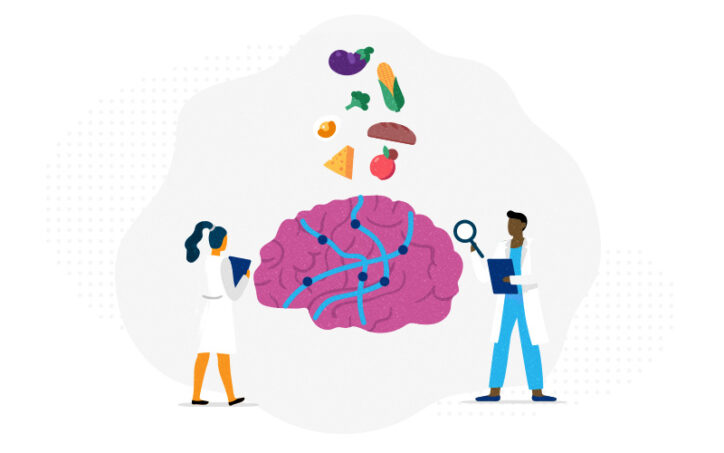
New insight into dietary approaches for epilepsy
Fasting has been believed since ancient times to curb seizures in epilepsy, and small patient studies in the early 1900s have revived the idea. But the reasons have remained mysterious. New research from Boston Children’s helps explain how fasting affects the brain at the molecular level. The findings could lead the way to new approaches ... Read More about New insight into dietary approaches for epilepsy
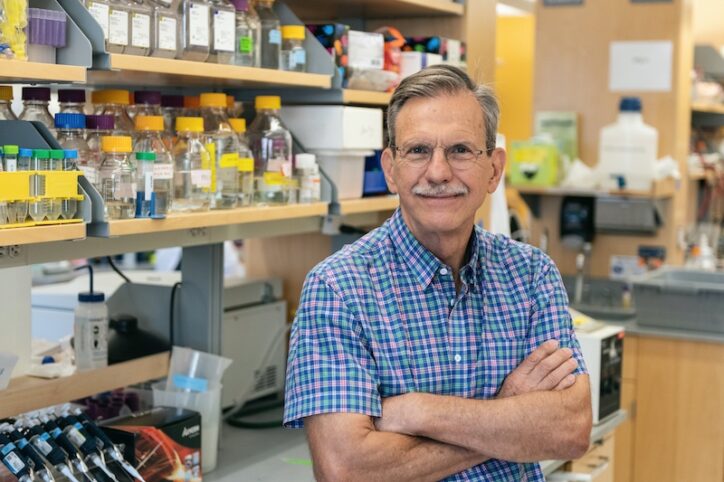
Tim Springer: Scientist, entrepreneur, and mentor
As an undergraduate in 1966, immunologist, biochemist, and biophysicist Timothy A. Springer, PhD, looked askance at science. The Vietnam War was going on, and he saw science as a means of making Agent Orange and napalm. Questioning his own Ivy League education, he left Yale to spend a year as a VISTA volunteer on a ... Read More about Tim Springer: Scientist, entrepreneur, and mentor