

Archive for stem cells
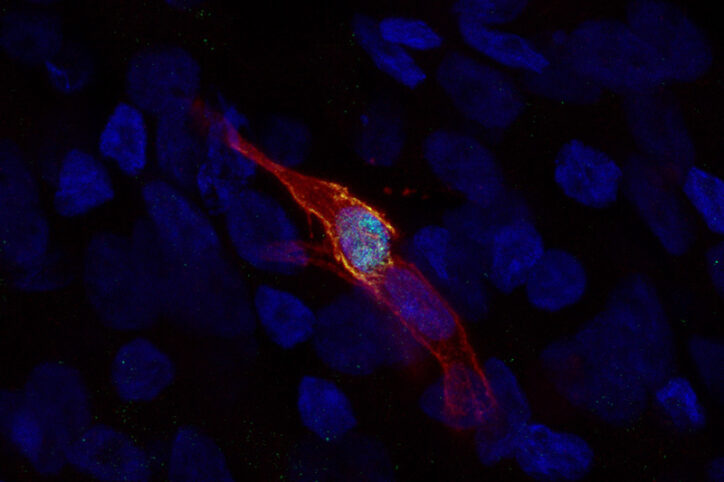
Making ionocytes: A step toward cell or gene therapy for cystic fibrosis
Cystic fibrosis transmembrane conductance regulator (CFTR) modulators were a breakthrough for cystic fibrosis, improving the movement of chloride and water and moistening mucus secretions. But these drugs are expensive, don’t work in all patients with cystic fibrosis, and have side effects and interactions with other drugs. People who do respond to CFTR modulators must take ... Read More about Making ionocytes: A step toward cell or gene therapy for cystic fibrosis

How a leukemia hijacks the genes needed by blood stem cells
As a child, Lynn Aureli didn’t know that a particular genetic change contributed to her acute myeloid leukemia (AML) — an alteration that eventually would help explain the cancer’s lack of response to chemotherapy. Nor was she aware that her cancer had hijacked the genetic mechanism for maintaining the stem cells that form blood, like ... Read More about How a leukemia hijacks the genes needed by blood stem cells
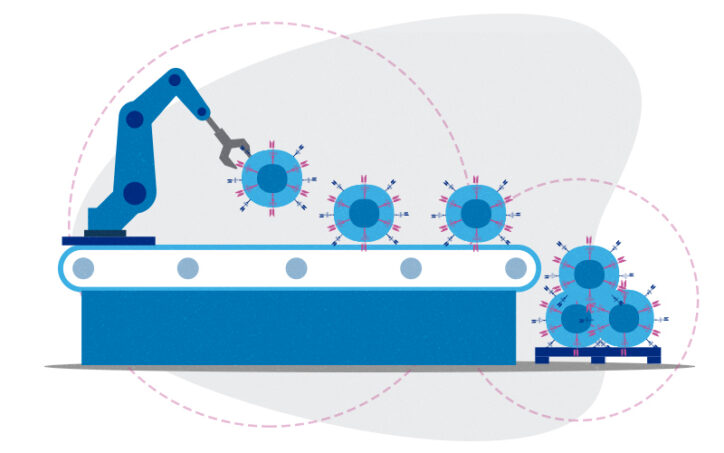
Making ready-made CAR T cells for cancer immunotherapy
In CAR T-cell immunotherapy, T cells from a patient’s own blood are engineered to carry so-called chimeric antigen receptors (CAR) that enable the T cells to attack and kill tumor cells. While CAR-T therapy is a powerful approach for certain leukemias and lymphomas, it’s not available for many patients who need it. It can be ... Read More about Making ready-made CAR T cells for cancer immunotherapy
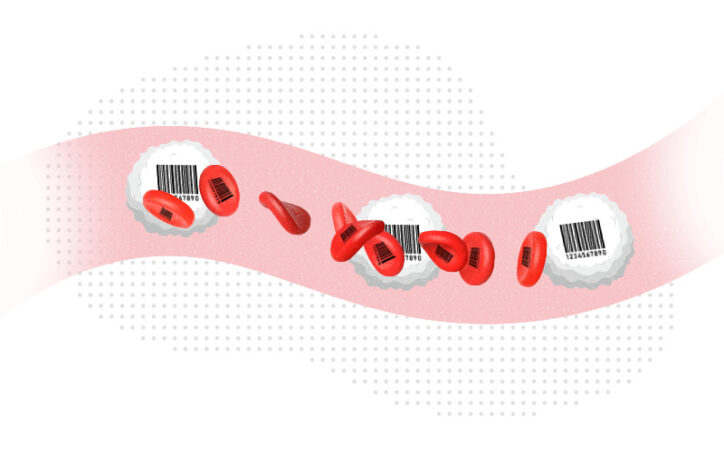
New work transforms our knowledge of how blood is formed
The origins of our blood may not be quite what we thought. In groundbreaking research, scientists in the Stem Cell Program at Boston Children’s Hospital used cellular “barcoding” techniques in mice to track the development of blood in real time — and found that blood cells originate not from one type of mother cell, but ... Read More about New work transforms our knowledge of how blood is formed
Exploiting a vulnerability in an aggressive leukemia
Survival has improved greatly in children with acute lymphocytic leukemia (ALL). But a certain form of ALL that occurs mostly in babies is still very lethal, with a survival rate below 50 percent: B-cell acute lymphoblastic leukemia with rearrangements of the mixed lineage leukemia gene, or MLL B-ALL. “Something about the biology of this type ... Read More about Exploiting a vulnerability in an aggressive leukemia
Cell therapy for lung disease? Proof-of-concept study shows promise
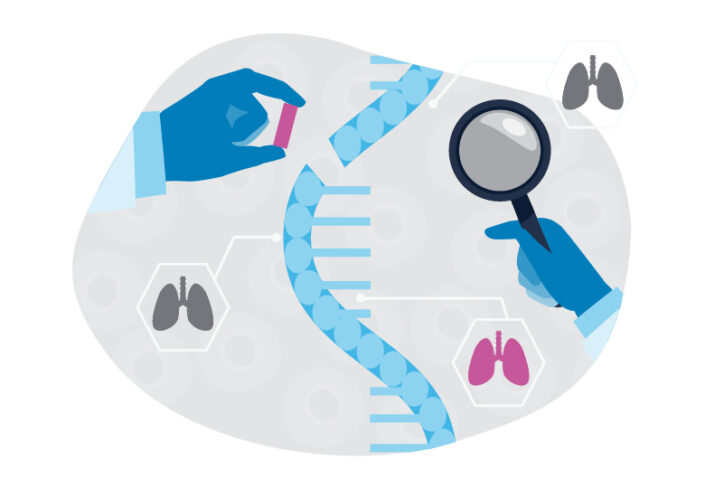
Many serious pulmonary diseases, including genetic lung diseases, lack an effective treatment other than the most extreme: lung transplant. A team at Boston Children’s Hospital envisions a much better option: cell therapy, using lung stem cells created from patients’ own cells to repair or replace damaged lung tissue. For patients with genetic lung diseases, the ... Read More about Cell therapy for lung disease? Proof-of-concept study shows promise
A respiratory model of COVID-19, made from patients’ own cells
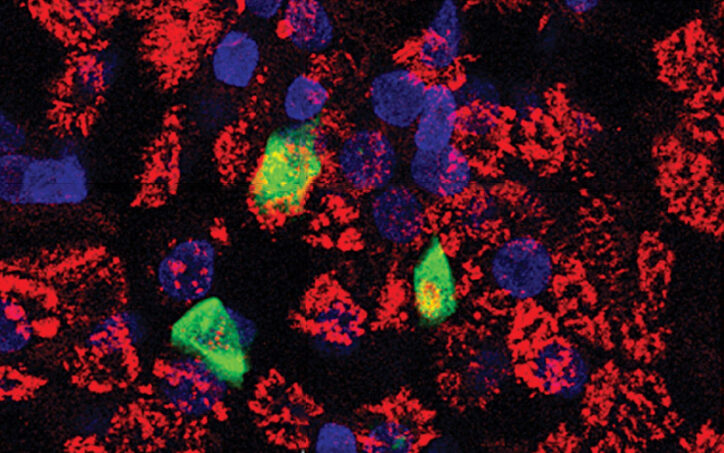
What happens in our respiratory tract once COVID-19 invades? A three-dimensional airway model, made from patient-derived stem cells, could provide answers about the initial stages of infection. The model not only replicates the infection process, but can be used to test potential antiviral drugs. Ruby Wang, MD, attending physician in Boston Children’s Division of Pulmonary ... Read More about A respiratory model of COVID-19, made from patients’ own cells
Can we harness intestinal cells to treat endocrine disorders?
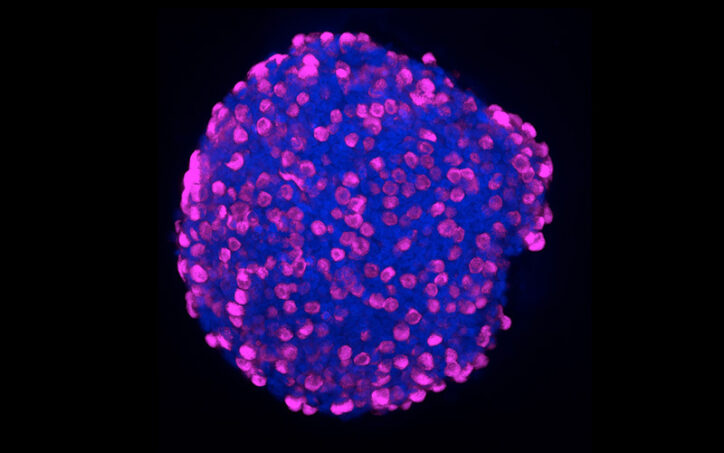
Enteroendocrine cells punch above their weight. Comprising just about 1 percent of intestinal cells, they produce, as a group, around 15 different hormones. These not only regulate intestinal function and digestion, but also influence metabolic functions like insulin secretion and appetite regulation. A new technology platform developed at Boston Children’s could set the stage for ... Read More about Can we harness intestinal cells to treat endocrine disorders?
Motor neurons made from patients’ cells reveal possible ALS drugs and targets
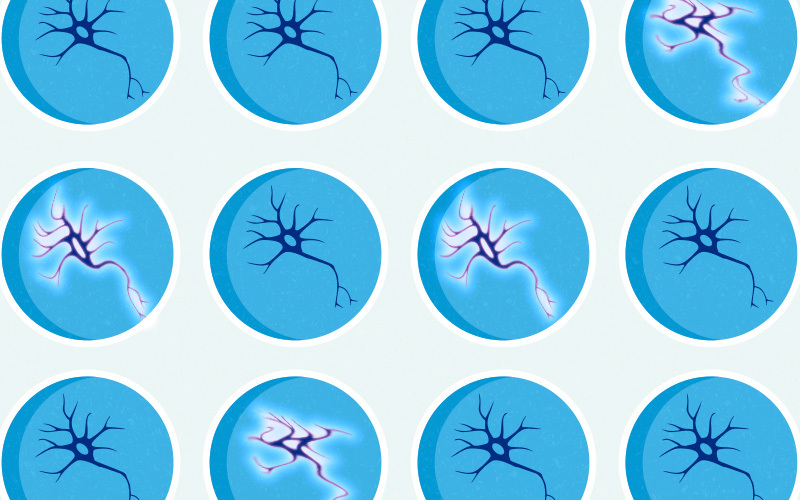
Amyotrophic lateral sclerosis (ALS) is a severe, fatal neurodegenerative disorder causing loss of motor neurons and voluntary muscle action. While mouse studies have identified potential treatments, these drugs have typically done very poorly in human trials. “One of the most difficult challenges in drug discovery is identifying a target that has a key role in ... Read More about Motor neurons made from patients’ cells reveal possible ALS drugs and targets
Recommendations for reproducibility in stem cell research
The ability to program induced pluripotent stem cells (iPSCs) and drive their differentiation into a variety of neural cells is essential for studying neurological disorders, including intellectual and developmental disabilities (IDDs). But issues regarding variability and reproducibility from lab to lab make translating discoveries difficult, in turn slowing the progress of IDD research. To address ... Read More about Recommendations for reproducibility in stem cell research