

Archive for neuroscience
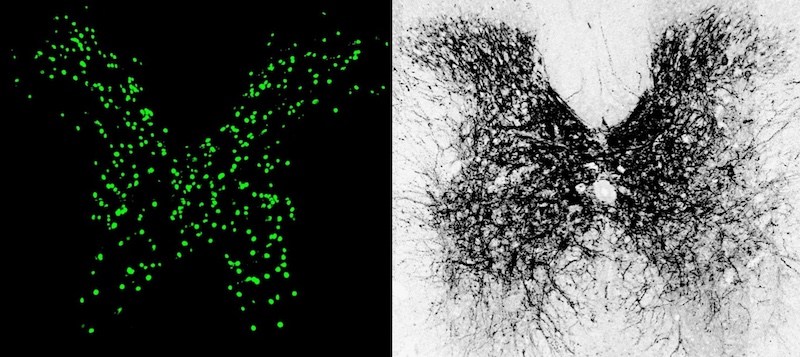
Inhibiting inhibitory neurons gets mice with spinal cord injury to walk again
Most people with spinal cord injury are paralyzed from the injury site down, even when the cord isn’t completely severed. Why don’t the spared portions of the spinal cord keep working, allowing at least some movement? A new study just published online by Cell provides insight into why these nerve pathways remain quiet. Most intriguingly, it shows that ... Read More about Inhibiting inhibitory neurons gets mice with spinal cord injury to walk again
Beth Stevens: A transformative thinker in neuroscience
When 2015 MacArthur “genius” grant winner Beth Stevens, PhD, began studying the role of glia in the brain in the 1990s, these cells—“glue” from the Greek—weren’t given much thought. Traditionally, glia were thought to merely protect and support neurons, the brain’s real players. But Stevens, from the Department of Neurology and the F.M. Kirby Neurobiology ... Read More about Beth Stevens: A transformative thinker in neuroscience
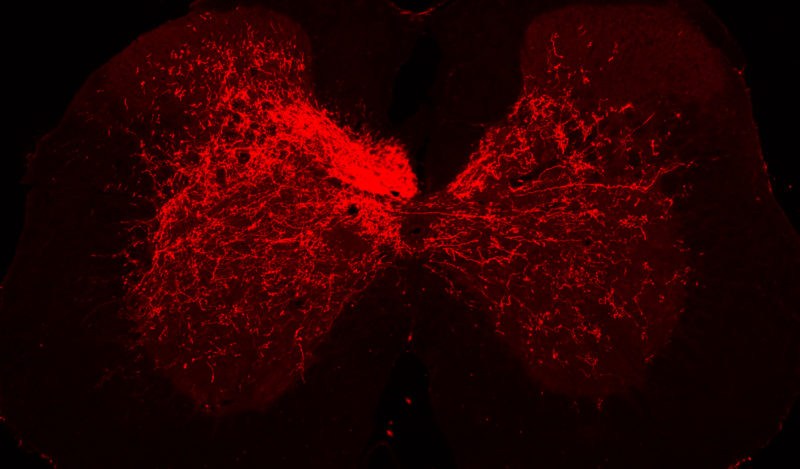
Novel therapeutic cocktail could restore fine motor skills after spinal cord injury and stroke
Neuron cells have long finger-like structures, called axons, that extend outward to conduct impulses and transmit information to other neurons and muscle fibers. After spinal cord injury or stroke, axons originating in the brain’s cortex and along the spinal cord become damaged, disrupting motor skills. Now, reported today in Neuron, a team of scientists at Boston Children’s ... Read More about Novel therapeutic cocktail could restore fine motor skills after spinal cord injury and stroke
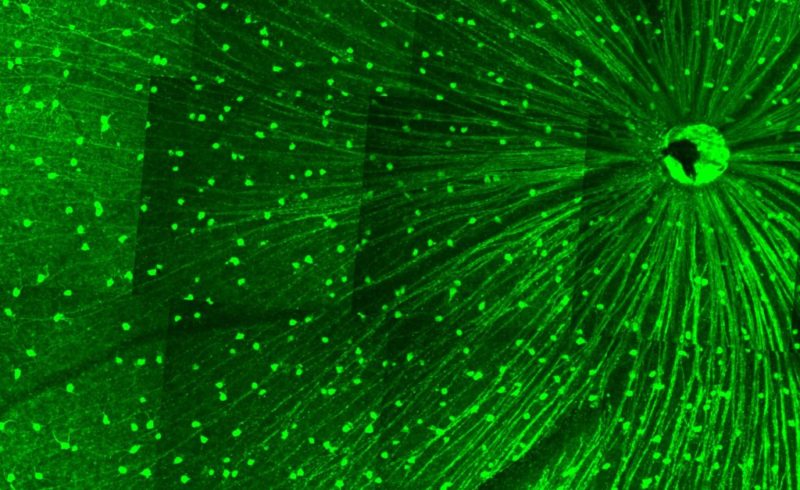
Optic nerve regeneration: One approach doesn’t fit all
Getting a damaged optic nerve to regenerate is vital to restoring vision in people blinded through nerve trauma or disease. A variety of growth-promoting factors have been shown to help the optic nerve’s retinal ganglion cells regenerate their axons, but we are still far from restoring vision. A new study on optic nerve regeneration, published ... Read More about Optic nerve regeneration: One approach doesn’t fit all
Targeting synapse loss in Alzheimer’s to preserve cognition — before plaques appear
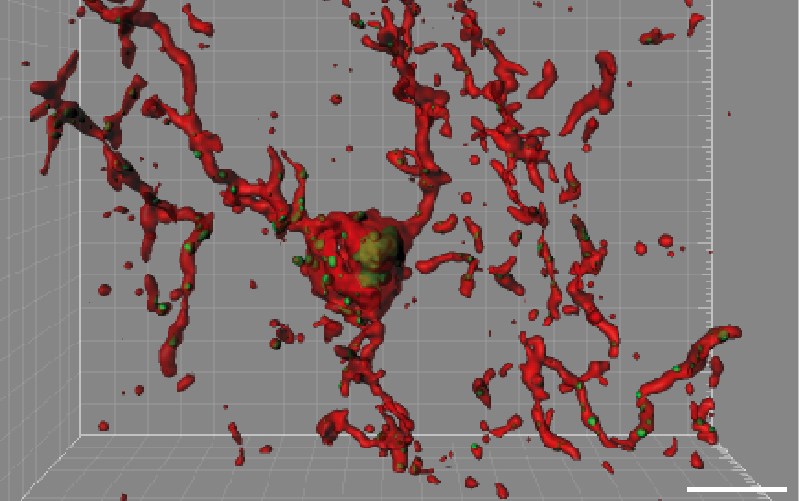
Currently, there are five FDA-approved drugs for Alzheimer’s disease, but these only boost cognition temporarily and don’t address the root causes of Alzheimer’s dementia. Many newer drugs in the pipeline seek to eliminate amyloid plaque deposits or reduce inflammation in the brain, but by the time this pathology is detectable, it’s unlikely medications can do much to slow ... Read More about Targeting synapse loss in Alzheimer’s to preserve cognition — before plaques appear
Genetic analysis backs a neuroimmune view of schizophrenia: Complement gone amok
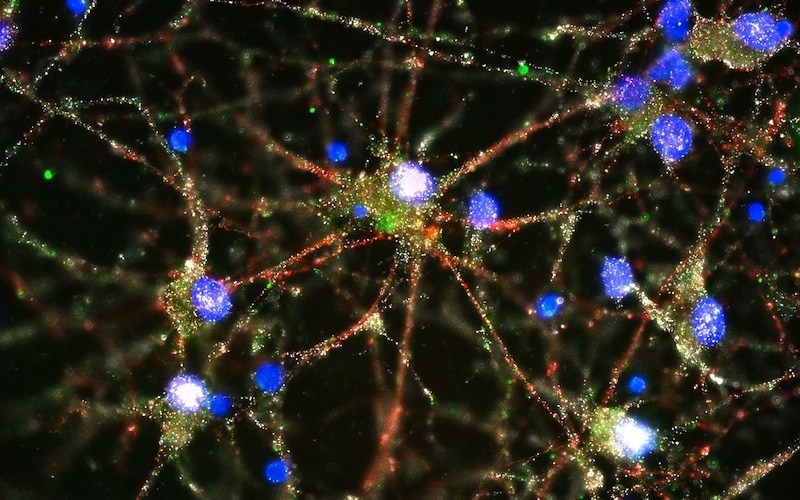
A deep genetic analysis, involving nearly 65,000 people, finds a surprising risk factor for schizophrenia: variation in an immune molecule best known for its role in containing infection, known as complement component 4 or C4. The findings, published this week in Nature, also support the emerging idea that schizophrenia is a disease of synaptic pruning, ... Read More about Genetic analysis backs a neuroimmune view of schizophrenia: Complement gone amok
Drug ‘cocktail’ could restore vision in optic nerve injury
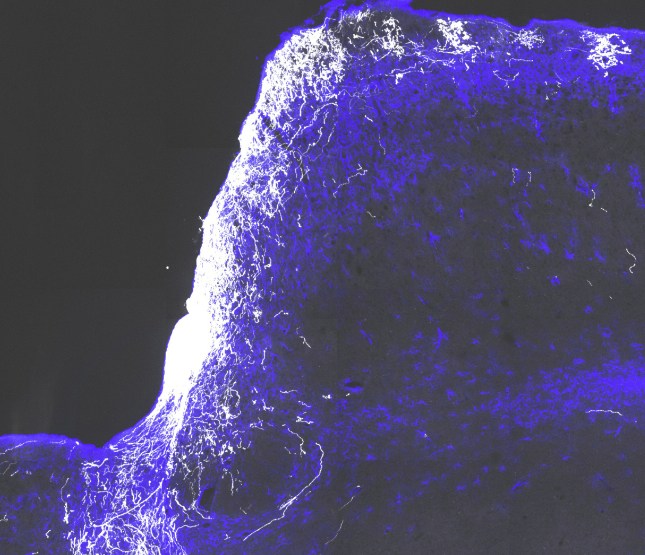
When Zhigang He, PhD, started a lab at Boston Children’s Hospital 15 years ago, he hoped to find a way to regenerate nerve fibers in people with spinal cord injury. As a proxy, he studied optic nerve injury, which causes blindness in glaucoma — a condition affecting more than four million Americans — and sometimes ... Read More about Drug ‘cocktail’ could restore vision in optic nerve injury
Fruit flies’ love lives could clarify brain cells’ role in motivation
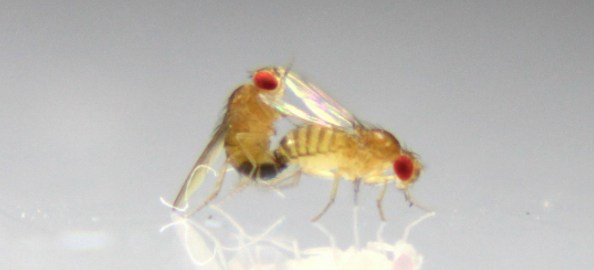
If you have children present, you might want to click out of this post. But if you want to understand motivation, you’ll want to know about the sexual behavior of fruit flies. In the brain, motivational states are nature’s way of matching our behaviors to our needs and priorities. But motivation can go awry, and ... Read More about Fruit flies’ love lives could clarify brain cells’ role in motivation
New Human Neuron Core to analyze ‘disease in a dish’
Last week was a good week for neuroscience. Boston Children’s Hospital received nearly $2.2 million from the Massachusetts Life Sciences Center (MLSC) to create a Human Neuron Core. The facility will allow researchers at Boston Children’s and beyond to study neurodevelopmental, psychiatric and neurological disorders directly in living, functioning neurons made from patients with these ... Read More about New Human Neuron Core to analyze ‘disease in a dish’
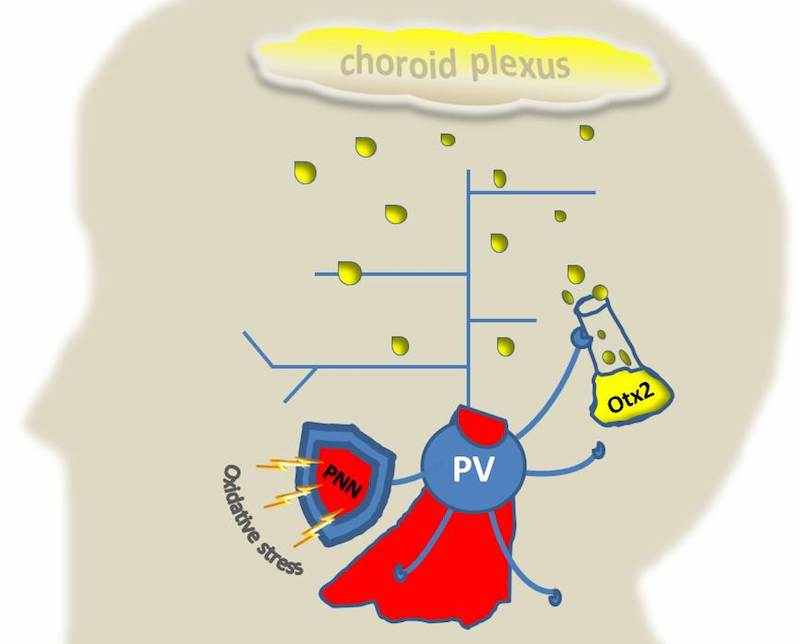
Parvalbumin neurons—new insight into the workings of a superhero brain cell
Say you’re a scientist in a movie, and you want to find out what gives a superhero his powers. You’d investigate any special suits he wears, whether he drinks any potions and what they are, right? Real-life scientists are following the same strategy to understand a powerful group of specialized brain cells. Parvalbumin cells (PV-cells) ... Read More about Parvalbumin neurons—new insight into the workings of a superhero brain cell