

Archive for genetics and genomics
A new view of heart health: Mutations accumulate in the heart starting in childhood
Why do so many people get heart disease when they get older? We know that factors like high blood pressure or high cholesterol contribute to heart disease risk, but they don’t explain all cases. A first-of-its-kind study from Boston Children’s Hospital offers a new lens on heart health. It shows that the cells of our ... Read More about A new view of heart health: Mutations accumulate in the heart starting in childhood

Genomic ‘fingerprinting’ yields better treatments for pediatric solid cancers
Genomic profiling is increasingly used for solid tumors in adults and for pediatric brain tumors and blood cancers, allowing treatments to be matched to patients’ mutations. But for children with solid tumors, genomic fingerprinting has been elusive, because these cancers are so varied and individually so rare. Therapies therefore remain non-specific: chemotherapy, surgery, and/or radiation. ... Read More about Genomic ‘fingerprinting’ yields better treatments for pediatric solid cancers
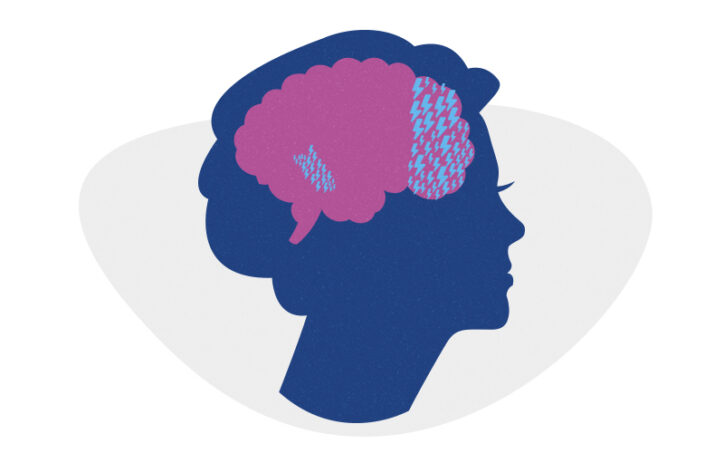
A new angle on the cause of Alzheimer’s disease: Accumulating brain mutations
Alzheimer’s disease is marked by a loss of functional neurons in the brain. But what causes this loss? A new study reveals that people with Alzheimer’s have an abundance of newly acquired mutations in their neurons — more than people of the same age without Alzheimer’s, and enough to disable genes important to brain function. ... Read More about A new angle on the cause of Alzheimer’s disease: Accumulating brain mutations
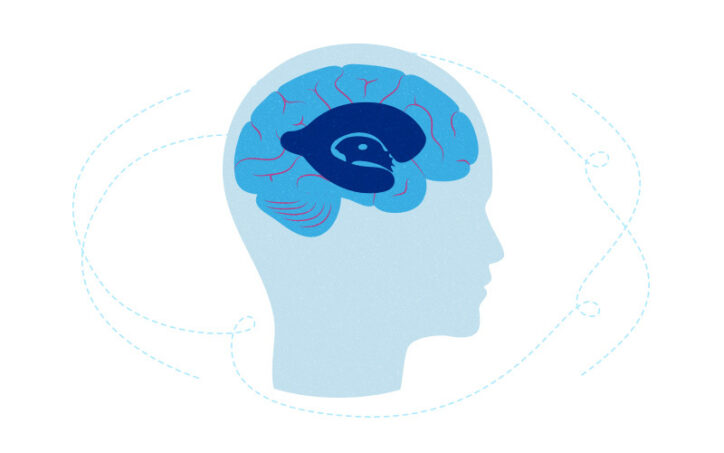
Beyond fluid buildup: Rethinking congenital hydrocephalus
Hydrocephalus is classically seen as a plumbing problem, the result of too much cerebrospinal fluid (CSF) in the brain or dysregulation of fluid flow. It is usually treated with shunts to drain the CSF, or with ETV/CPC, which makes a small hole to drain the CSF and burns off the choroid plexus tissue that produces ... Read More about Beyond fluid buildup: Rethinking congenital hydrocephalus

Targeting treatments for vascular anomalies, courtesy of cancer genetics
Vascular anomalies — overgrowths or malformations of the capillaries, veins, arteries, and/or lymphatic vessels — often confound physicians, especially in acute settings. They encompass a diverse group of conditions, all of them rare, and can affect multiple body systems. Many physicians have never encountered vascular anomalies and may be unaware of the risks they sometimes ... Read More about Targeting treatments for vascular anomalies, courtesy of cancer genetics

Using genetics to glimpse newborns’ future with congenital heart disease
Aside from infections, congenital heart disease (CHD) is the leading cause of infant mortality. Informed by babies she sees in the NICU, Sarah Morton, MD, PhD, attending physician in the Division of Newborn Medicine at Boston Children’s, has devoted her career to understanding CHD’s genetic causes. Her findings are shedding light on what parents and ... Read More about Using genetics to glimpse newborns’ future with congenital heart disease

Real-time genomic surveillance of bacteria could improve antibiotic therapy
Antibiotic-resistant bacterial infections are increasingly hard to treat, causing more than a million deaths annually around the world. Hospitalized patients with pneumonia, bloodstream infections, urinary tract infections, or abdominal infections are especially at risk. Like a game of Whac-A-Mole, bacteria can develop antibiotic resistance mutations within days of starting an antibiotic, only to be replaced ... Read More about Real-time genomic surveillance of bacteria could improve antibiotic therapy

Sudden, unexplained child deaths often have a genetic cause
When a baby or toddler dies without warning, parents often blame themselves. A study at Boston Children’s may provide some insight into sudden, unexplained child deaths and perhaps a measure of closure. It suggests that at least 10 percent of children who die suddenly have an undiagnosed genetic condition that caused or contributed to their ... Read More about Sudden, unexplained child deaths often have a genetic cause

Rethinking the origins of cerebral palsy
Cerebral palsy (CP) has widely been viewed as the result of perinatal oxygen deprivation or other birth-related factors like prematurity. For many children, this is true. But new work from Boston Children’s finds that up to 1 in 4 have an underlying genetic condition with the potential to change the approach to their care. Findings ... Read More about Rethinking the origins of cerebral palsy

Bringing genomics to community NICUs
About a year and a half ago, Robert Rothstein, MD, FAAP encountered a baby with a pattern of facial features and clinical findings that suggested a genetic syndrome. The available tests couldn’t pinpoint a diagnosis, and the family wanted a more definitive answer. So Rothstein and his colleagues transferred the newborn from Baystate Medical Center ... Read More about Bringing genomics to community NICUs