

Archive for cancer
Endocrine-oncology treatment helps teen with rare genetic condition
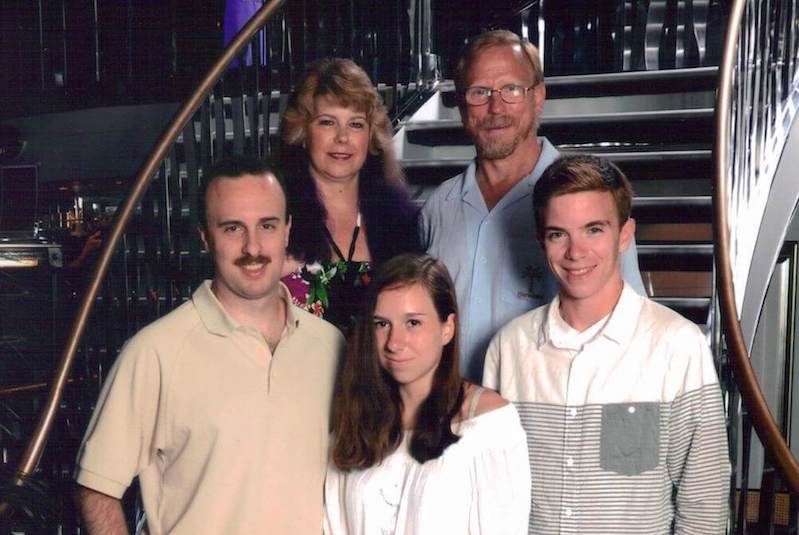
Felicia Walbridge has long been interested in biomedical engineering and plans on majoring in the field during college. Until recently, the teenager’s experience in this area was limited primarily to reruns of the TV show “Grey’s Anatomy.” Then, with little warning, Walbridge became the star of her very own medical drama — complete with a ... Read More about Endocrine-oncology treatment helps teen with rare genetic condition

Exploring targeted treatments for children with low-grade brain tumors
Children diagnosed with low-grade astrocytomas, the most common type of pediatric brain tumor, have close to 90 percent overall survival rates. However, the growth of the tumors, as well as the standard treatments (neurosurgery and chemotherapy) required to control them, can cause serious side effects, including damaging developing brains and bodies. Researchers at Dana-Farber/Boston Children’s Cancer and Blood ... Read More about Exploring targeted treatments for children with low-grade brain tumors

Chemical screening suggests a two-pronged treatment for pediatric Ewing sarcoma
For children with Ewing sarcoma, an aggressive bone cancer, a combination of two different classes of drugs may work synergistically to turn off the drivers fueling this disease, finds a new study. The combination appears to be more powerful than relying on either treatment alone. The study, published online last month in Clinical Cancer Research, is the latest in a ... Read More about Chemical screening suggests a two-pronged treatment for pediatric Ewing sarcoma

PET imaging shows if PD-1 cancer immunotherapy is working
PD-1 is a protein on our T cells that normally keeps these immune cells from running amok. A growing number of cancer drugs are designed to inhibit PD-1, enabling patients’ T-cells to attack and kill cancerous cells. PD-1 blockers such as pembrolizumab (Keytruda) have been helpful in treating several cancers including melanoma, non-small cell lung ... Read More about PET imaging shows if PD-1 cancer immunotherapy is working

Single-cell sequencing reveals glioblastoma’s shape-shifting nature
Glioblastoma, a cancer that arises in the brain’s supporting glial cells, is one of the worst diagnoses a child can receive. The grade IV, highly malignant tumor aggressively infiltrates healthy brain tissue, and most children die of the disease within one to two years of diagnosis, similar to adults. “The current approach is surgical removal, ... Read More about Single-cell sequencing reveals glioblastoma’s shape-shifting nature

Stella’s story: Winning against neuroblastoma
The Downey family was enjoying the holidays with family in Guatemala in 2017 when their 13-month-old daughter Stella started having unusual symptoms. “She was very clingy towards me and not acting like herself,” says Stella’s mom, Fiorella, a child life specialist at Boston Children’s Hospital. “It was so extreme that I brought her to the ... Read More about Stella’s story: Winning against neuroblastoma
Limb-salvage surgery is best option for Andrew
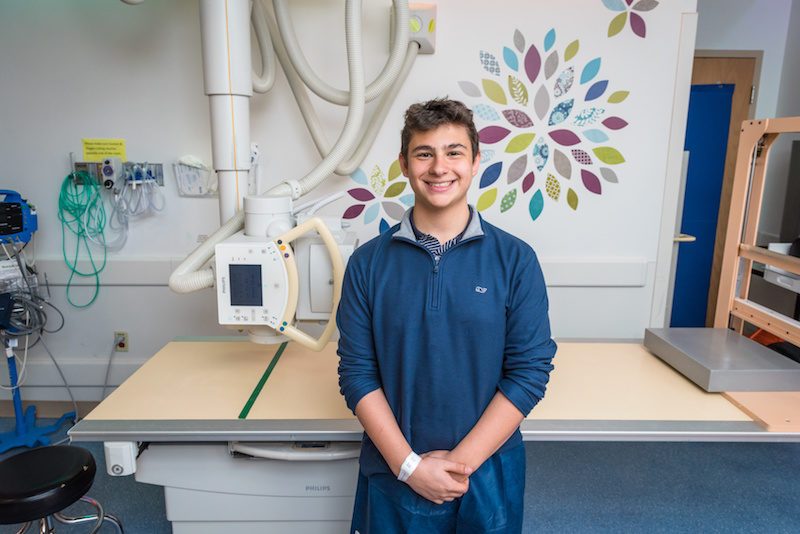
It was quite a spring for Andrew Hedberg. The rising high school sophomore made the varsity golf team and was elected class president for the upcoming school year. Most importantly, the bone cancer that once threatened his left leg and his life remained in remission. All of this validated the decision that Andrew’s family made seven years ... Read More about Limb-salvage surgery is best option for Andrew

Common questions about childhood cancer, answered
Childhood cancer is rare, but when it happens, it usually brings up an endless stream of questions for parents. How did this happen? What will life be like for my child? In this episode of “Cancer Mythbusters” from Dana-Farber Cancer Institute, Dr. Allison O’Neill, clinical director of the Solid Tumor Program at Dana-Farber/Boston Children’s Cancer and Blood Disorder ... Read More about Common questions about childhood cancer, answered
What role do genetics play in pediatric leukemia?
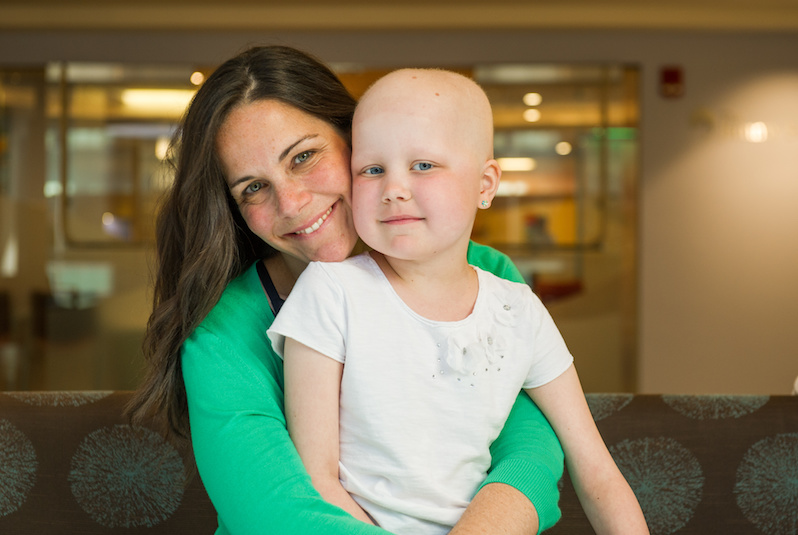
Leukemia is the most common childhood cancer, accounting for 31 percent of cancers in children younger than 15, and 25 percent of those younger than 20. Most young patients develop leukemia because of a mutation, or DNA change, that occurs randomly in a blood cell only, and is not inherited from a parent. On the other ... Read More about What role do genetics play in pediatric leukemia?

Children wait for new cancer drugs 6.5 years longer than adults
A 20-year analysis finds that FDA-approved cancer drugs took a median of 6.5 years to go from the first clinical trial in adults to the first trial in children. That’s not good enough for researchers at Dana-Farber/Boston Children’s Cancer and Blood Disorders Center, who are calling for expanding children’s access to experimental cancer therapies. “It’s ... Read More about Children wait for new cancer drugs 6.5 years longer than adults