

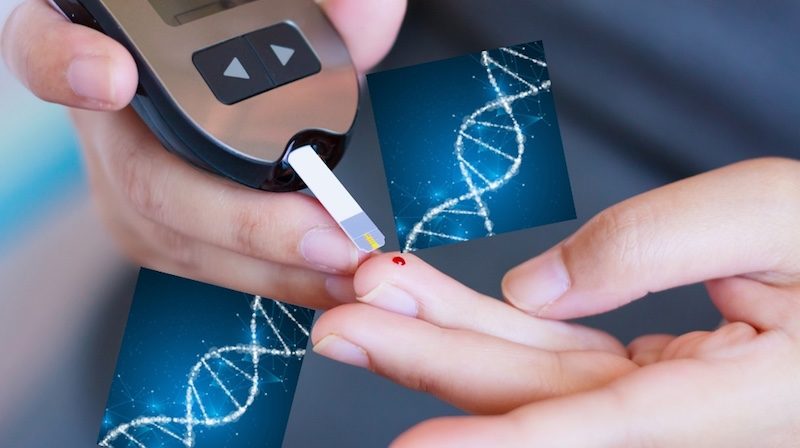
Huge sequencing study links rare DNA changes to type 2 diabetes
Type 2 diabetes is a complicated disease influenced by genetics, lifestyle, and environment. Now, an international consortium of scientists has uncovered some previously unknown genetic factors — which could potentially aid the search for better treatments. The researchers sequenced the exomes — all the protein-coding genes — of roughly 21,000 people with type 2 diabetes ... Read More about Huge sequencing study links rare DNA changes to type 2 diabetes

Children wait for new cancer drugs 6.5 years longer than adults
A 20-year analysis finds that FDA-approved cancer drugs took a median of 6.5 years to go from the first clinical trial in adults to the first trial in children. That’s not good enough for researchers at Dana-Farber/Boston Children’s Cancer and Blood Disorders Center, who are calling for expanding children’s access to experimental cancer therapies. “It’s ... Read More about Children wait for new cancer drugs 6.5 years longer than adults
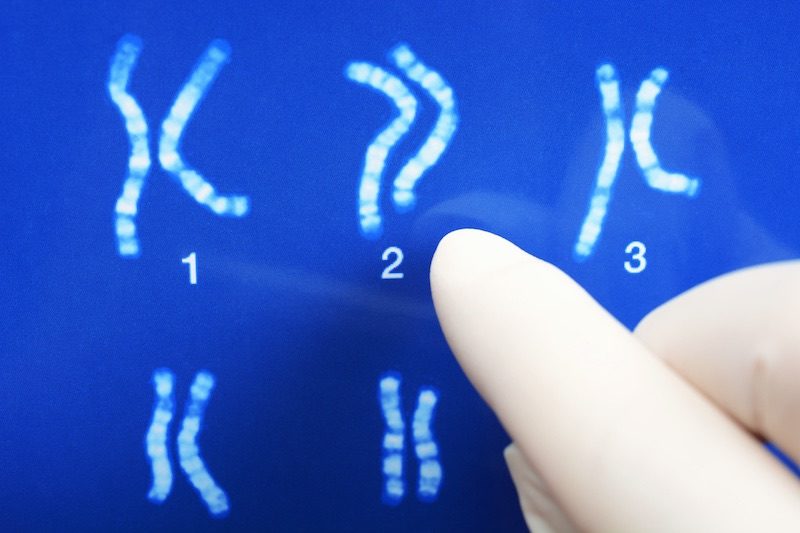
After GWAS studies, how to narrow the search for genes?
Genome-wide association studies (GWAS) look at large populations to find genes that contribute to common, multi-gene traits like height or obesity. These comprehensive investigations frequently turn up large numbers of tiny genetic variations that show up more often in people who are tall, obese, etc. But this association doesn’t mean the variant actually helps cause ... Read More about After GWAS studies, how to narrow the search for genes?
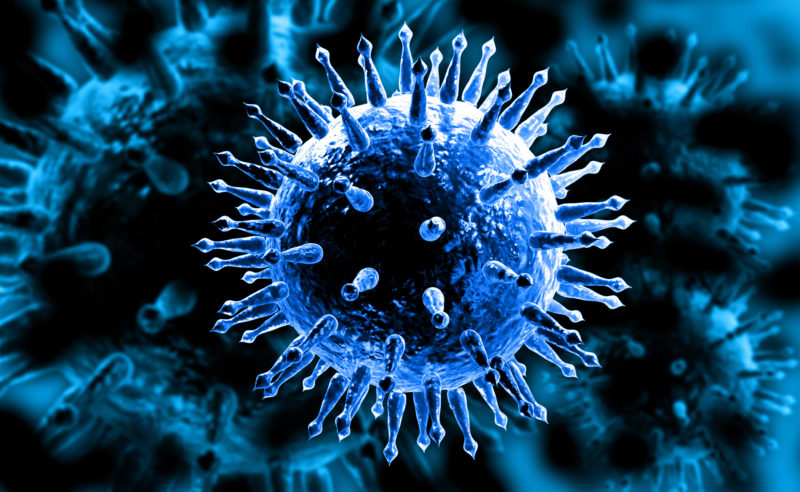
Hidden part of flu virus yields hope for better vaccines
The annual effort to create a flu vaccine is like a high-stakes game of Whack-a-mole. Even if public health officials develop a vaccine that offers wide protection, the ever-changing influenza virus pops up again the next year in a new guise, often different enough to thwart the body’s defenses. And while most people recover, influenza ... Read More about Hidden part of flu virus yields hope for better vaccines
Solving genetic mysteries – in the NICU and beyond
A growing number of children with suspected genetic disorders are having their complete exomes sequenced, since it’s now often faster and cheaper to sequence all the protein-coding genes at once rather than test limited groups of genes. But even after whole-exome sequencing, 70 to 75 percent of children come away without a genetic explanation for ... Read More about Solving genetic mysteries – in the NICU and beyond
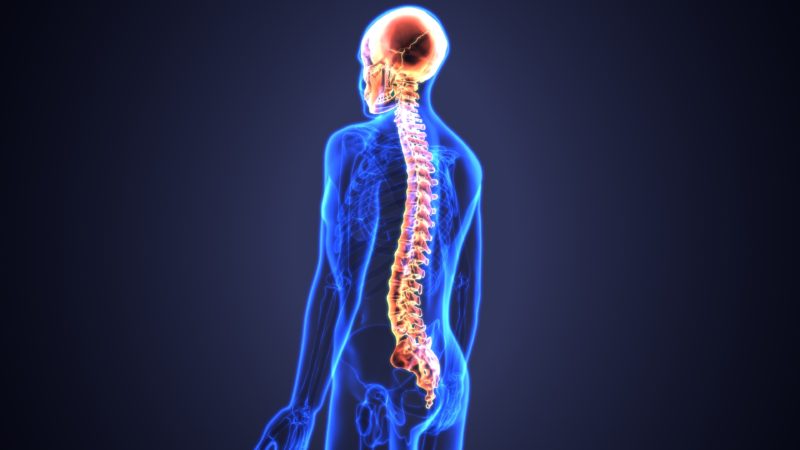
Discoveries promise new strides for spinal cord injury patients
When neurobiologist Clifford Woolf, MB, BCh, PhD, began investigating potential treatments for spinal cord injury more than 30 years ago at University College London, he had mixed feelings about accepting funding for the research. “To be honest, the prospect that something could realistically make an impact on spinal cord injury in my lifetime seemed like ... Read More about Discoveries promise new strides for spinal cord injury patients

How scratching may prime children with eczema for food allergy and anaphylaxis
Eczema, a chronic itchy inflammatory skin disease, affects about 15 percent of U.S. children. It’s a strong risk factor for food allergies — more than half of children with eczema are allergic to one or more foods — and most people with food allergy have eczema. But the connection between the two hasn’t been clear. New ... Read More about How scratching may prime children with eczema for food allergy and anaphylaxis
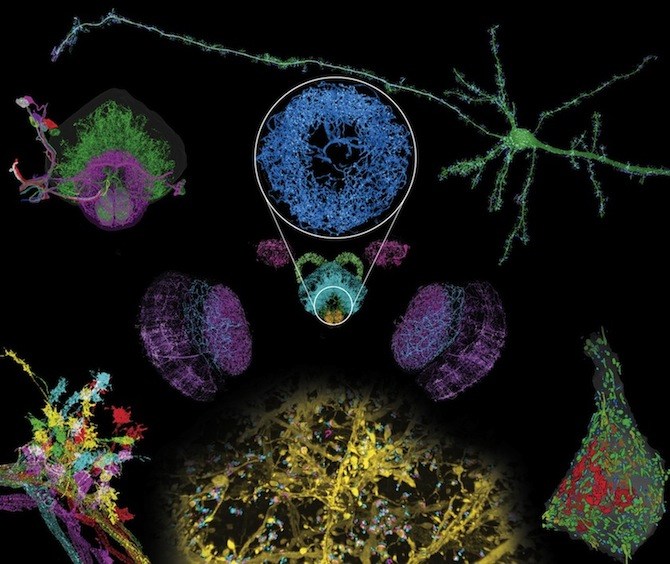
New technique images whole brains with incredible resolution
Decades ago, discoveries about the brain’s intricate anatomy were made with careful dissection and drawings. Today, they’re made with super-resolution imaging and massive computing power capable of handling hundreds of terabytes of data. In this week’s Science, a team out of the Massachusetts Institute of Technology (MIT), the Janelia Research Campus of the Howard Hughes Medical ... Read More about New technique images whole brains with incredible resolution

‘Nanobodies’ from alpacas could help bring CAR T-cell therapy to solid tumors
In 1989, two undergraduate students at the Free University of Brussels were asked to test frozen blood serum from camels, and stumbled on a previously unknown kind of antibody. It was a miniaturized version of a human antibody, made up only of two heavy protein chains, rather than two light and two heavy chains. As ... Read More about ‘Nanobodies’ from alpacas could help bring CAR T-cell therapy to solid tumors
Small samples, big data: A systems-biology look at a newborn’s first week of life
The first week of a baby’s life is a time of rapid biological change. The newborn must adapt to living outside the womb, suddenly exposed to new bacteria and viruses. Yet scientists know surprisingly little about these early changes. Reporting in Nature Communications, an international research team provides the most detailed accounting to date of the ... Read More about Small samples, big data: A systems-biology look at a newborn’s first week of life