

A clinical trial aims to reduce complications in life-saving lung and heart treatment
Extracorporeal membrane oxygenation (ECMO) can be lifesaving for critically ill children with severe lung and heart failure who are not responsive to conventional treatments. This approach takes over the work of those vital organs, enabling patients to rest and recover. It transfers blood from the body into a pump-and-oxygenator machine, where blood is oxygenated and carbon ... Read More about A clinical trial aims to reduce complications in life-saving lung and heart treatment

Sickle cell disease, gene therapy, and blood cancers: Mysteries remain
Gene therapy trials for sickle cell disease have been showing great promise, even offering hope of a cure. But in early 2021, the trials ground to a halt after reports of blood malignancies in two people in a trial sponsored by bluebird bio. Investigations later concluded that the gene therapy delivery vectors were likely not ... Read More about Sickle cell disease, gene therapy, and blood cancers: Mysteries remain
Joining the fight against COVID: Women scientists at Boston Children’s are leading the way
When the COVID-19 pandemic hit in 2020, many women scientists around Boston Children’s pivoted to studying the new coronavirus and its effects. Today on the International Day of Women and Girls in Science, they offer their wisdom and advice on going into science, why they chose to do research on COVID-19, and the challenges they’ve ... Read More about Joining the fight against COVID: Women scientists at Boston Children’s are leading the way

Charting a new path for pediatric thyroid cancer treatment
Thyroid cancer is the most common type of endocrine cancer in children. Because it is bilateral — affecting both sides (lobes) of the thyroid — in more than one third of pediatric patients, initial treatment typically involves a total thyroidectomy, the surgical removal of the entire thyroid gland. However, removal of only the affected lobe — a lobectomy ... Read More about Charting a new path for pediatric thyroid cancer treatment
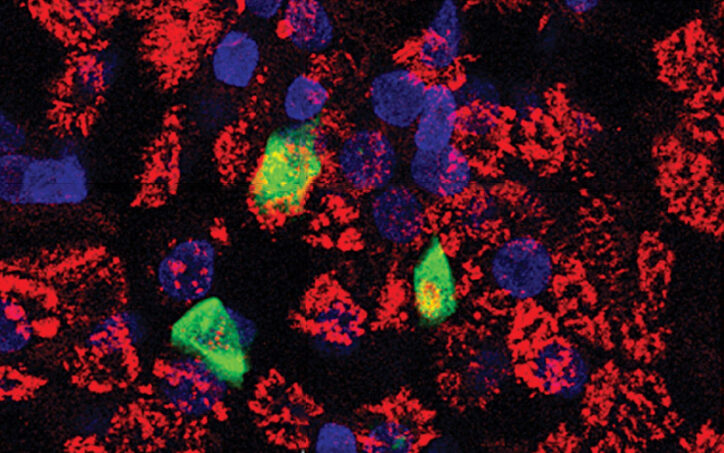
A respiratory model of COVID-19, made from patients’ own cells
What happens in our respiratory tract once COVID-19 invades? A three-dimensional airway model, made from patient-derived stem cells, could provide answers about the initial stages of infection. The model not only replicates the infection process, but can be used to test potential antiviral drugs. Ruby Wang, MD, attending physician in Boston Children’s Division of Pulmonary ... Read More about A respiratory model of COVID-19, made from patients’ own cells
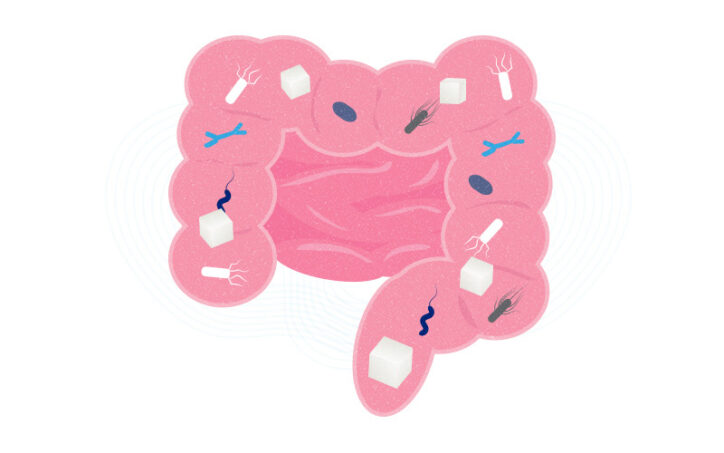
Shaping our intestinal microbiome: What makes certain microbes more ‘fit’?
We now know the microbes that live in our intestines — often called our microbiome — influence our health in many ways. The balance among competing microbial species is believed to contribute to inflammatory bowel disease (IBD), immune disorders, food allergy, neurodegenerative diseases, cancer, and more. The sugars in our diets, in turn, influence that ... Read More about Shaping our intestinal microbiome: What makes certain microbes more ‘fit’?

Open-label placebo offers new treatment for disorders of gut-brain interaction in children
Pain-predominant disorders of gut-brain interaction (DGBIs) in children — such as functional abdominal pain (FAP) and irritable bowel syndrome (IBS) — can lead to disabling symptoms, poor quality of life, and high use of health care resources. While optimal treatment for these conditions remains elusive, we know that this patient population tends to have high ... Read More about Open-label placebo offers new treatment for disorders of gut-brain interaction in children
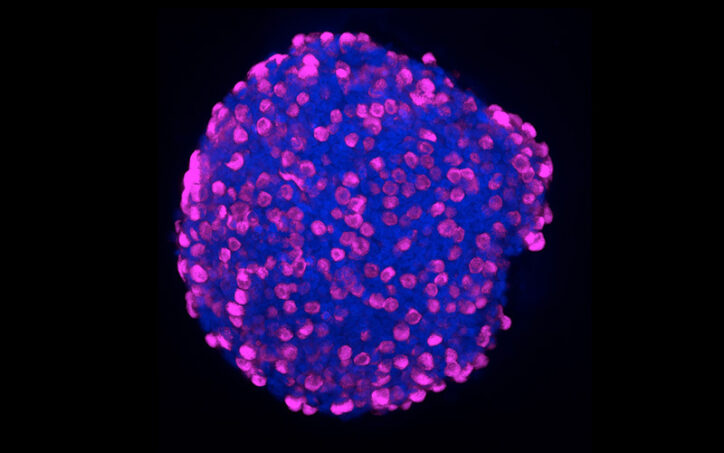
Can we harness intestinal cells to treat endocrine disorders?
Enteroendocrine cells punch above their weight. Comprising just about 1 percent of intestinal cells, they produce, as a group, around 15 different hormones. These not only regulate intestinal function and digestion, but also influence metabolic functions like insulin secretion and appetite regulation. A new technology platform developed at Boston Children’s could set the stage for ... Read More about Can we harness intestinal cells to treat endocrine disorders?

Can intensive early behavioral therapy help children with Down syndrome?
“It’s like learning a new language. It’s a challenge, but a good challenge,” says Kristala of the new ways she has learned to connect with her 3-year-old son, Ellison, who has Down syndrome. Her favorite part of the Joint-Attention-Symbolic-Play-Engagement-Regulation (JASPER) clinical trial program at Boston Children’s Hospital came during the “Follow His Lead” week. “I ... Read More about Can intensive early behavioral therapy help children with Down syndrome?

Rethinking the origins of cerebral palsy
Cerebral palsy (CP) has widely been viewed as the result of perinatal oxygen deprivation or other birth-related factors like prematurity. For many children, this is true. But new work from Boston Children’s finds that up to 1 in 4 have an underlying genetic condition with the potential to change the approach to their care. Findings ... Read More about Rethinking the origins of cerebral palsy