

Archive for Nancy Fliesler
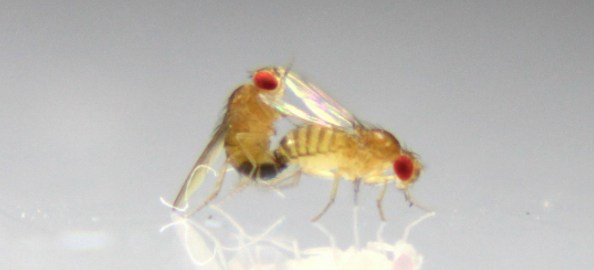
Fruit flies’ love lives could clarify brain cells’ role in motivation
If you have children present, you might want to click out of this post. But if you want to understand motivation, you’ll want to know about the sexual behavior of fruit flies. In the brain, motivational states are nature’s way of matching our behaviors to our needs and priorities. But motivation can go awry, and ... Read More about Fruit flies’ love lives could clarify brain cells’ role in motivation
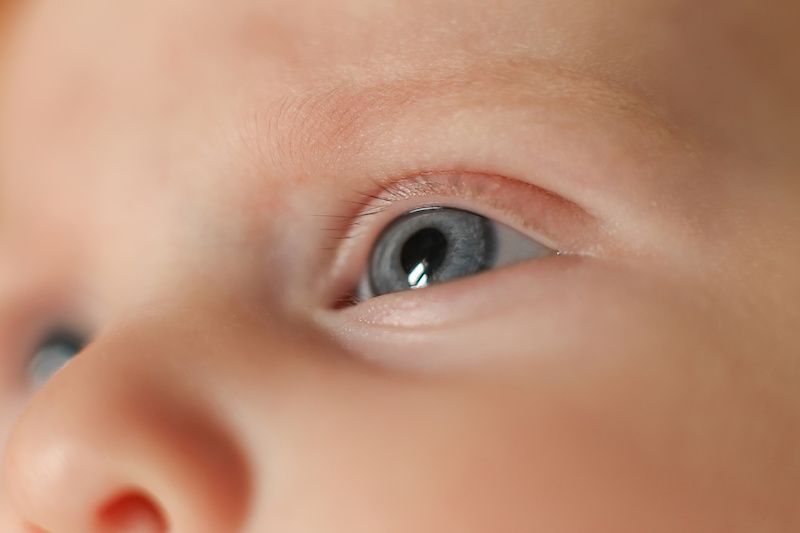
BabySee: Mobile app lets you see through an infant’s eyes
David Hunter, MD, PhD, chief of Ophthalmology at Boston Children’s Hospital, gets a lot of questions from parents, but the number one question is: “What can my baby see?” That depends. How old is the baby? Five days after birth, she might see something like the image at left; at 3 months, the image at ... Read More about BabySee: Mobile app lets you see through an infant’s eyes
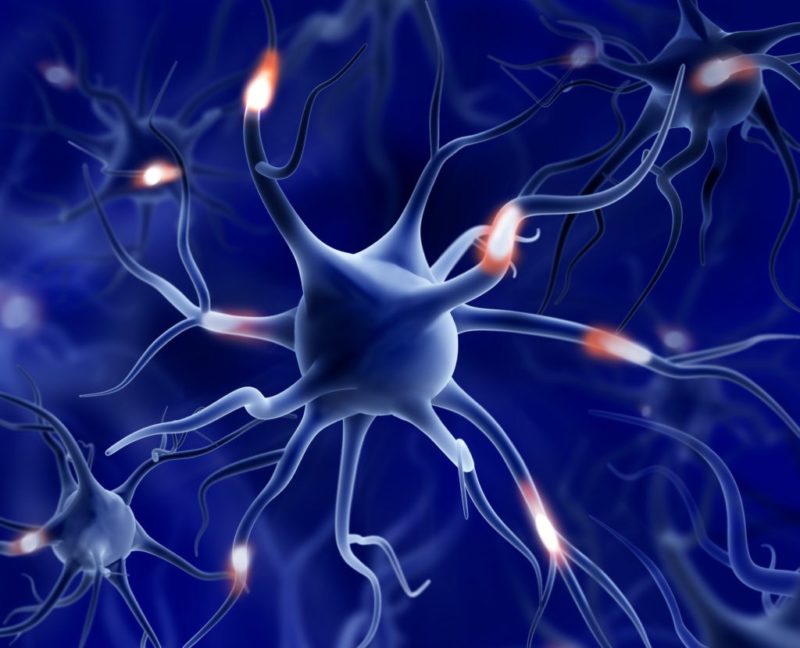
New Human Neuron Core to analyze ‘disease in a dish’
Last week was a good week for neuroscience. Boston Children’s Hospital received nearly $2.2 million from the Massachusetts Life Sciences Center (MLSC) to create a Human Neuron Core. The facility will allow researchers at Boston Children’s and beyond to study neurodevelopmental, psychiatric and neurological disorders directly in living, functioning neurons made from patients with these ... Read More about New Human Neuron Core to analyze ‘disease in a dish’

Stem cell medicine gets a “roadmap” and a quality assurance tool
If you’ve lost your way on the Boston subway, you need only consult a map to find the best route to your destination. Now stem cell engineers have a similar map to guide the making of cells and tissues for disease modeling, drug testing and regenerative medicine. It’s a computer algorithm known as CellNet. As ... Read More about Stem cell medicine gets a “roadmap” and a quality assurance tool

Solving medical mysteries: The Undiagnosed Disease Network
At first, Corrie and Adam Mendes thought their daughter Emmie had an inner ear problem. She was late with several early milestones, including walking, and when she did walk, she often lost her balance. The family pediatrician sent them to a neurologist, who ordered a brain MRI and diagnosed her with pachygyria, a rare condition ... Read More about Solving medical mysteries: The Undiagnosed Disease Network

‘Heart on a chip’ suggests a surprising treatment for a rare genetic disease
It was the variability that intrigued pediatric cardiologist William Pu, MD, about his patient with heart failure. The boy suffered from a rare genetic mitochondrial disorder called Barth syndrome. While he ultimately needed a heart transplant, his heart function seemed to vary day-to-day, consistent with reports in the medical literature. “Often patients present in infancy with severe ... Read More about ‘Heart on a chip’ suggests a surprising treatment for a rare genetic disease

Rett syndrome sees glimmer of hope in Phase I trial
Part 1 of a two-part series. (Read part 2.) In the world of neurodevelopmental disorders, an exciting trend is the emergence of specific molecular targets and treatments through genetic research. A case in point is IGF-1 therapy for Rett syndrome, a devastating disorder in girls that affects their ability to speak, walk, eat and breathe. It ... Read More about Rett syndrome sees glimmer of hope in Phase I trial

Pharmacogenomics: One size doesn’t fit all
In 2009, The New England Journal of Medicine reported the case of an otherwise healthy 2-year-old boy in Canada who died after surgery. He had received a codeine dose in the recommended range, but an autopsy revealed that morphine (a product of codeine metabolism) had built up to toxic levels in his blood and likely depressed his ... Read More about Pharmacogenomics: One size doesn’t fit all
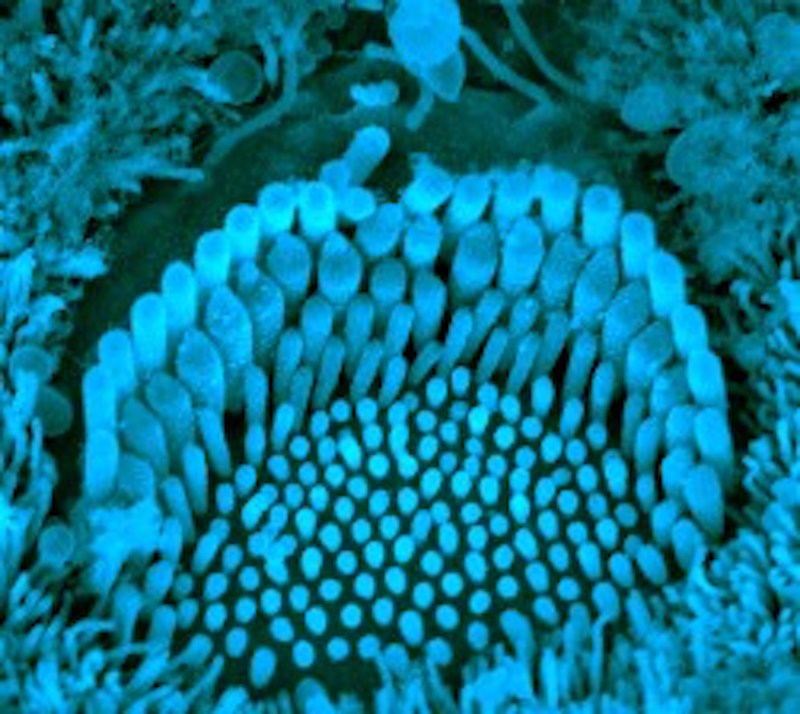
How things work: Scientists find cellular channels vital for hearing
Ending a 30-year search by scientists, researchers have identified two proteins in the inner ear that are critical for hearing, which, when damaged by genetic mutations, cause a form of delayed, progressive hearing loss. The proteins are essentially transducers: They form channels that convert mechanical sound waves entering the inner ear into electrical signals that ... Read More about How things work: Scientists find cellular channels vital for hearing
Restoring muscle function in a rare, devastating disease: Part 1
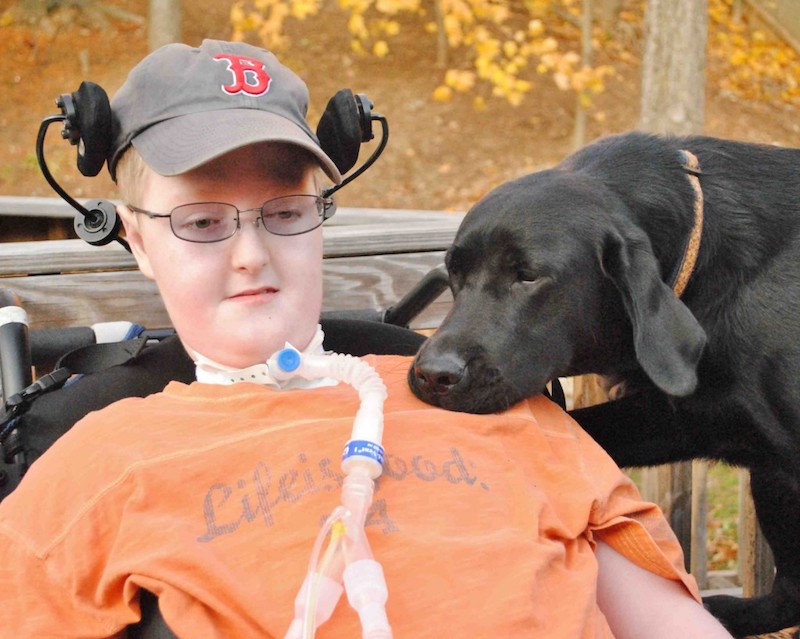
Part 1 of a two-part series. (Read part 2.) Sixth-grader William Ward cruises the hallways at school with a thumb-driven power chair and participates in class with the help of a DynaVox speech device. Although born with a rare, muscle-weakening disease called X-linked myotubular myopathy, or MTM, leaving him virtually immobile, he hasn’t given up. Neither has Alan Beggs, ... Read More about Restoring muscle function in a rare, devastating disease: Part 1