

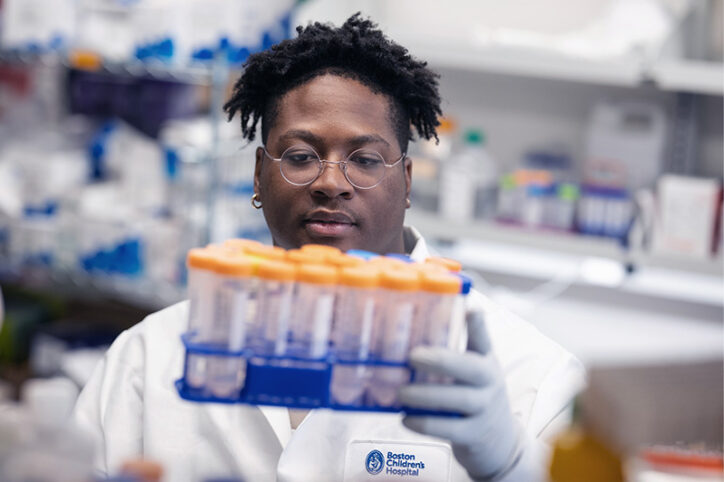
Bringing order to disorder: Jhullian Alston, PhD
Proteins typically fold into orderly, predictable three-dimensional structures that dictate how they will interact with other molecules. Jhulian Alston, PhD, is drawn to intrinsically disordered proteins, whose key feature is a lack of structure. They are difficult to study and far less explored. “They’re floppy, they don’t have specific folds, they can’t slot into each ... Read More about Bringing order to disorder: Jhullian Alston, PhD
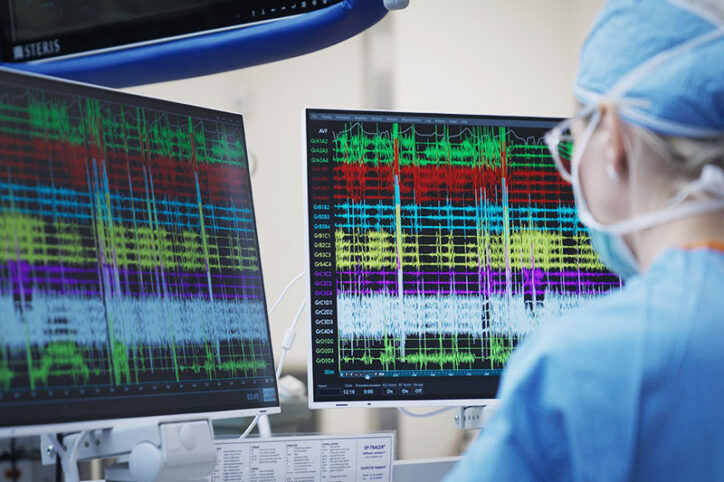
Conduction tissue mapping is shown to significantly reduce heart block
New research by Boston Children’s validates an innovative approach to mapping the heart’s invisible conduction tissue during surgery. Key takeaways Using a catheter to map unseen conduction tissue drastically reduces heart block during biventricular repair surgeries for several heart conditions. Conduction tissue was identified in 96 percent of patients who were mapped. Only 4 of ... Read More about Conduction tissue mapping is shown to significantly reduce heart block
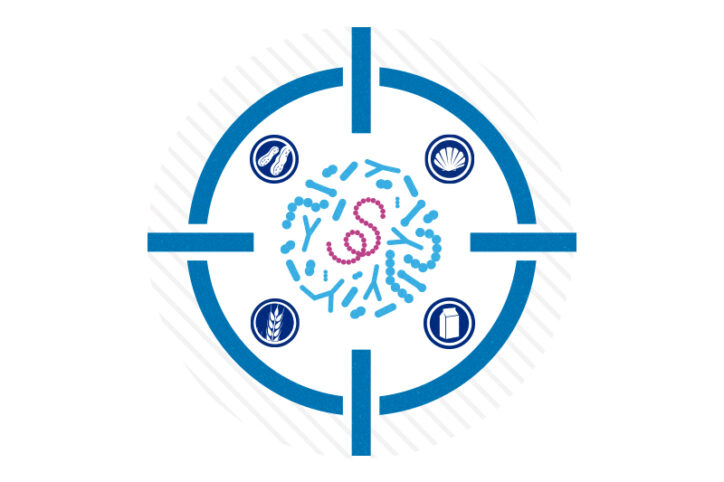
Could we cure or prevent food allergy by targeting an intestinal protein?
When is food simply nourishing and enjoyable, and when does it provoke an allergic reaction? The answer appears to lie in the balance of microbes that live in our intestine — and a specific protein secreted by intestinal goblet cells that influences that balance. Excess amounts of this protein, RELMß, change the profile of intestinal ... Read More about Could we cure or prevent food allergy by targeting an intestinal protein?
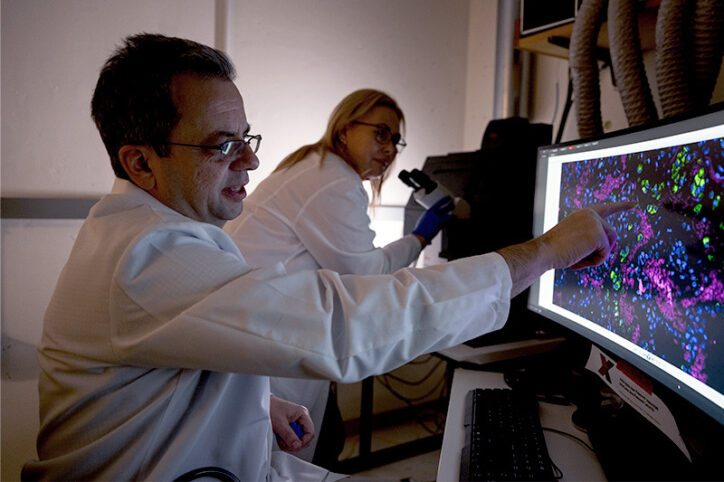
Mapping cells to create targeted treatments for interstitial lung disease
John Kennedy, MD, MSc, remembers the relative simplicity of his first genetic mapping project. In a Harvard Medical School lab, he helped map a gene for the neurological disease mucolipidosis type IV in less than a year. “I was fresh out of college. I thought with the global momentum of the Human Genome Project, we were going to ... Read More about Mapping cells to create targeted treatments for interstitial lung disease

Blood across our lifetimes: An age-specific ‘atlas’ tells a dynamic story
The stem cells that form our blood, also known as hematopoietic stem cells (HSCs), are with us throughout our lives. A new study reveals how HSCs ramp up and pivot their activities depending on the body’s needs at the time, from before we’re born until old age. Researchers at Dana-Farber/Boston Children’s Cancer and Blood Disorders ... Read More about Blood across our lifetimes: An age-specific ‘atlas’ tells a dynamic story

AI-enabled medical devices are burgeoning, but many haven’t been tested in children
Medical devices that incorporate artificial intelligence and machine learning are proliferating. In 2013, the FDA approved fewer than 10 such devices; by 2023, this number had grown to nearly 250. Devices include software to help interpret radiology images, wearable devices that monitor the heart and flag risks, and devices that analyze brain signals for potential ... Read More about AI-enabled medical devices are burgeoning, but many haven’t been tested in children

Years of experience support the safe use of fine-needle aspiration for pediatric thyroid nodules
Ultrasound-guided fine-needle aspiration (FNA) has long been used as a safe and effective way to evaluate thyroid nodules in adults, usually without sedation. Less is known about the safety and tolerability of FNA in children, although small studies suggest that the approach can be performed without sedation and with minimal complications. Now, a report by ... Read More about Years of experience support the safe use of fine-needle aspiration for pediatric thyroid nodules

Changing lives through genetics: The Children’s Rare Disease Collaborative
A 14-year-old girl was having back pain after a car accident and visited an orthopedic clinic at Boston Children’s Hospital. In the course of her care, she joined the Children’s Rare Disease Collaborative (CRDC), a hospital-wide effort to enroll children and adults with rare diseases in genetic studies. Genetic testing revealed that both she and ... Read More about Changing lives through genetics: The Children’s Rare Disease Collaborative
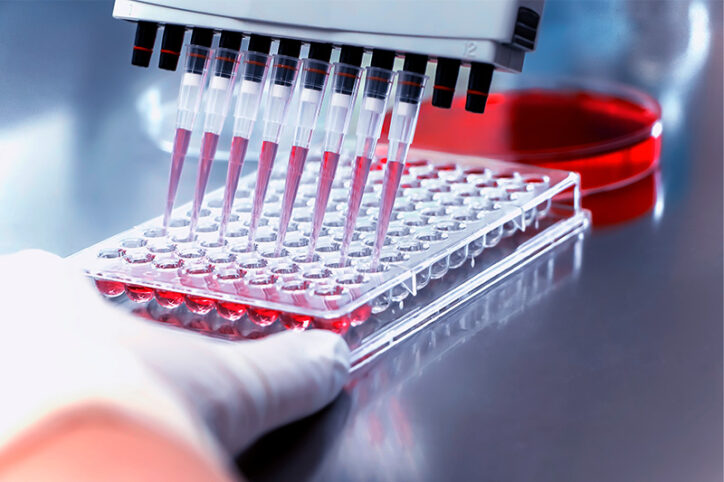
Model enables study of age-specific responses to COVID mRNA vaccines in a dish
mRNA vaccines clearly saved lives during the COVID-19 pandemic, but several studies suggest that older people had a somewhat reduced immune response to the vaccines when compared with younger adults. Why? Researchers at Boston Children’s Hospital, led by Byron Brook, PhD, David Dowling, PhD, and Ofer Levy, MD, PhD, found some answers — while providing ... Read More about Model enables study of age-specific responses to COVID mRNA vaccines in a dish
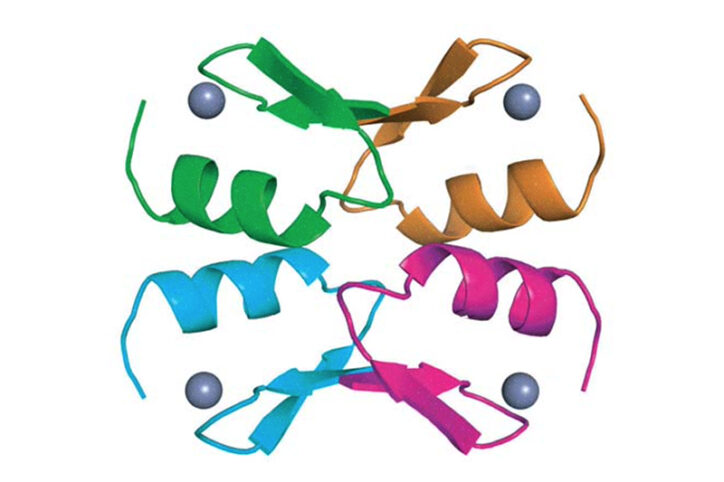
Could a pill treat sickle cell disease?
The new gene therapies for sickle cell disease — including the gene-editing treatment Casgevy, based on research at Boston Children’s Hospital — have been game-changing for the patients who have received them. But Stuart Orkin, MD, the Boston Children’s hematologist whose work led the way to Casgevy, wants to go even further. “The editing therapy ... Read More about Could a pill treat sickle cell disease?