

Archive for immunology
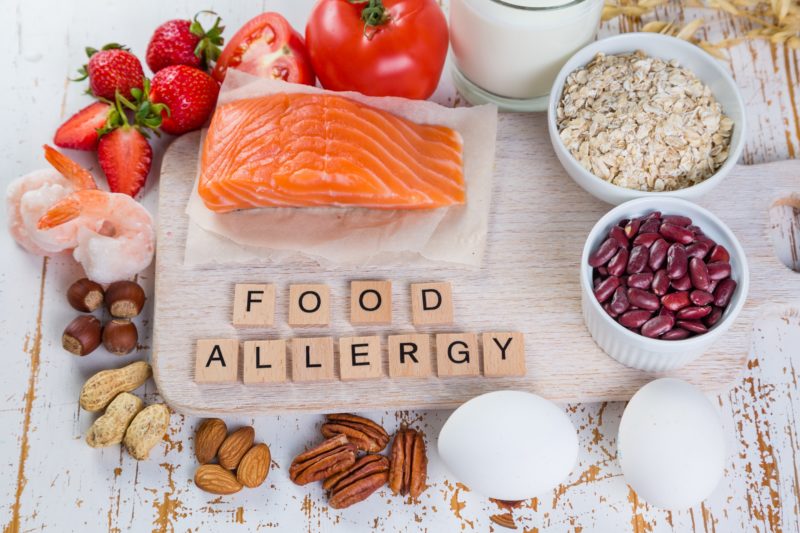
‘Good’ bacteria may prevent – and reverse – food allergy
Food allergy is a large and growing public health problem. For reasons that remain a mystery, the number of Americans who suffer from the disease has risen sharply over the last decade to as many as 32 million, according to one recent estimate. Nearly 8 percent of children in the U.S. — about two in ... Read More about ‘Good’ bacteria may prevent – and reverse – food allergy
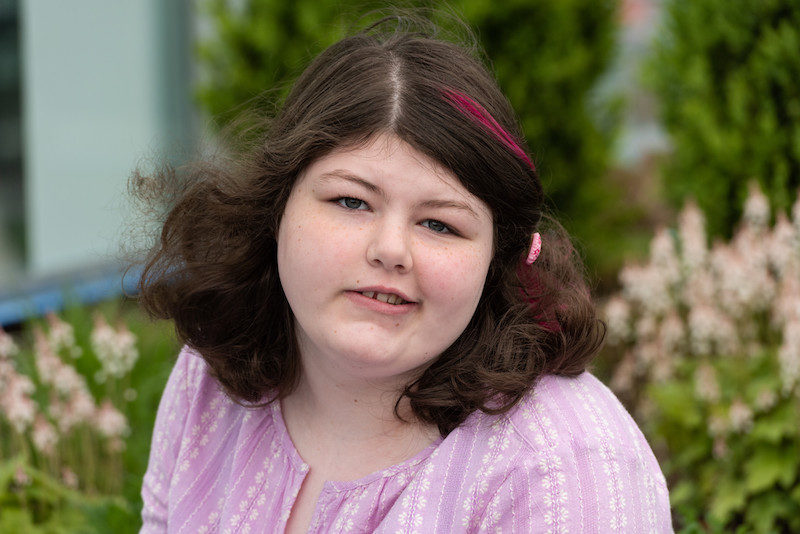
When even experts can’t figure you out: CNS-restricted HLH
At first it seemed like motion sickness when 5-year-old Emily threw up after spinning around outside, or during car rides. No one thought much of it. But gradually, she also developed headaches and stomachaches. Her walking and balance started to falter. She became lethargic, and complained about something in her eye. Her face took on ... Read More about When even experts can’t figure you out: CNS-restricted HLH
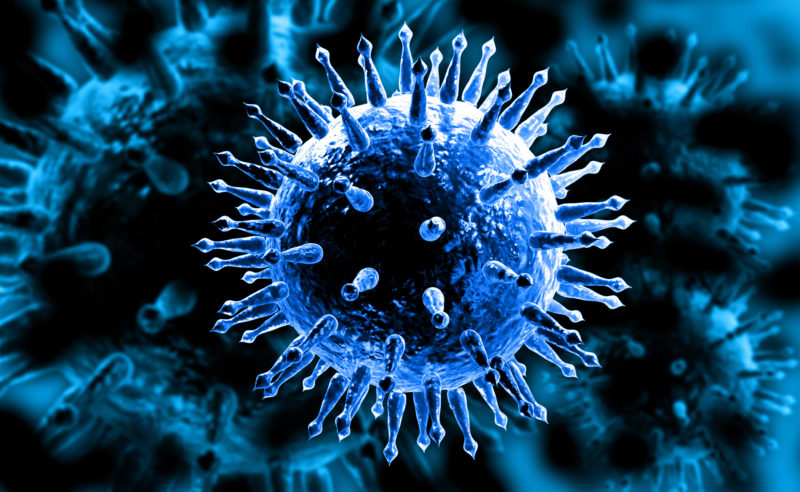
Hidden part of flu virus yields hope for better vaccines
The annual effort to create a flu vaccine is like a high-stakes game of Whack-a-mole. Even if public health officials develop a vaccine that offers wide protection, the ever-changing influenza virus pops up again the next year in a new guise, often different enough to thwart the body’s defenses. And while most people recover, influenza ... Read More about Hidden part of flu virus yields hope for better vaccines

How scratching may prime children with eczema for food allergy and anaphylaxis
Eczema, a chronic itchy inflammatory skin disease, affects about 15 percent of U.S. children. It’s a strong risk factor for food allergies — more than half of children with eczema are allergic to one or more foods — and most people with food allergy have eczema. But the connection between the two hasn’t been clear. New ... Read More about How scratching may prime children with eczema for food allergy and anaphylaxis
“Teenage” red blood cells could hold the key to a malaria vaccine
Malaria parasite infection, which affects our red blood cells, can be fatal. Currently, there are about 200 million malaria infections in the world each year and more than 400,000 people, mostly children, die of malaria each year. Now, studying blood samples from patients treated for malaria at a clinical field station in Brazil’s Amazon jungle, ... Read More about “Teenage” red blood cells could hold the key to a malaria vaccine
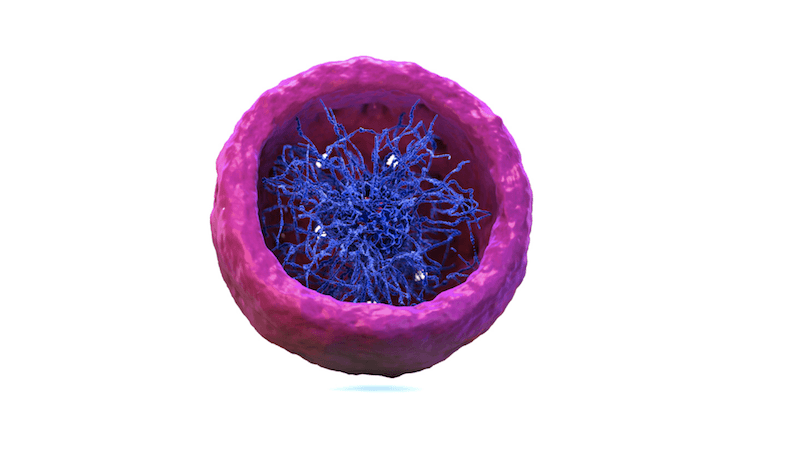
Getting a grip on genetic loops
A new discovery about the spatial orientation and physical interactions of our genes provides a promising step forward in our ability to design custom antibodies. This, in turn, could revolutionize the fields of vaccine development and infection control. “We are beginning to understand the full biological impact that the physical structure and movement of our ... Read More about Getting a grip on genetic loops
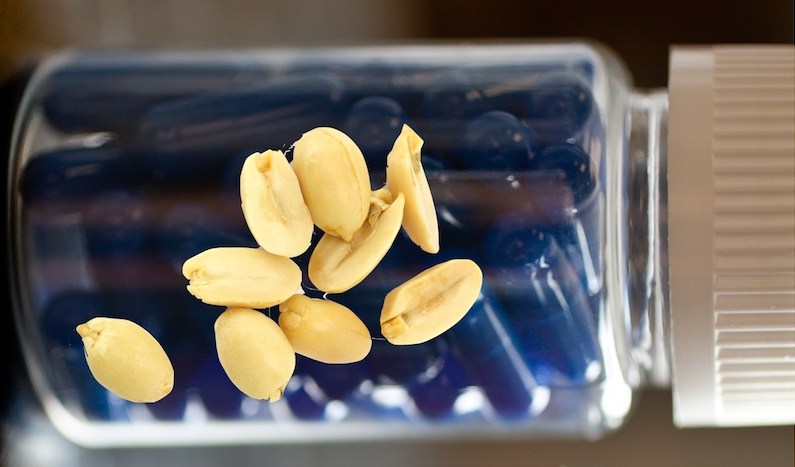
Could poop transplants treat peanut allergy? A clinical trial begins
Increasing evidence supports the idea that the bacteria living in our intestines early in life help shape our immune systems. Factors like cesarean birth, early antibiotics, having pets, number of siblings and formula feeding (rather than breastfeeding) may affect our microbial makeup, or microbiota, and may also affect our likelihood of developing allergies. Could giving ... Read More about Could poop transplants treat peanut allergy? A clinical trial begins
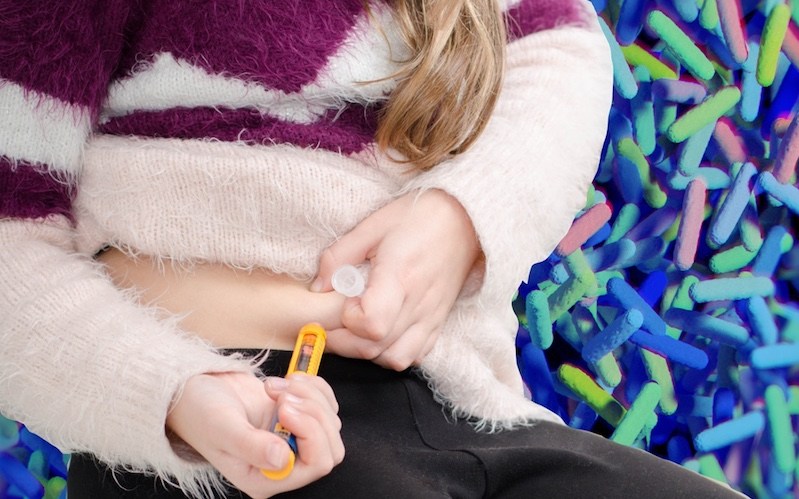
Immune gene guards against type 1 diabetes by changing the microbiome. Do early antibiotics undercut its effects?
The health of our immune system is increasingly linked with the health of our intestinal bacteria. A mouse study from Harvard Medical School now hammers this home for autoimmune disorders, in which the body attacks its own cells. It looked specifically at type 1 diabetes, in which the body destroys the cells that make insulin. ... Read More about Immune gene guards against type 1 diabetes by changing the microbiome. Do early antibiotics undercut its effects?
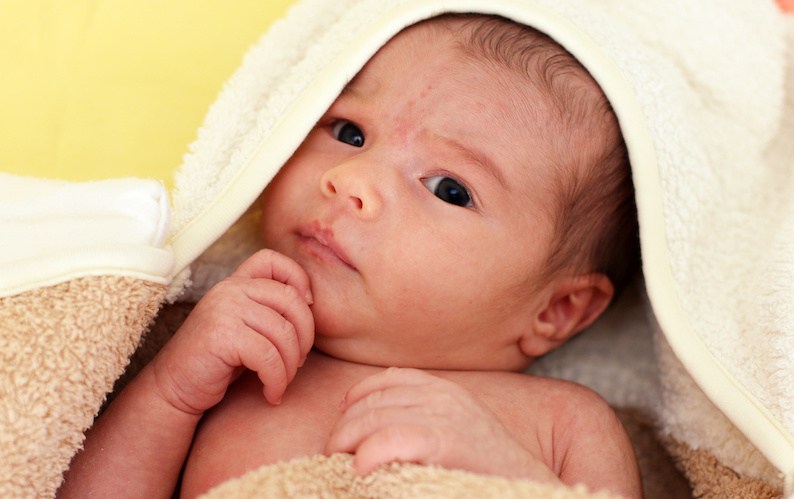
Effective vaccination of newborns: Getting closer to the dream
In many parts of the world, babies have just one chance to be vaccinated: when they’re born. Unfortunately, newborns’ young immune systems don’t respond well to most vaccines. That’s why, in the U.S., most immunizations start at two months of age. Currently, only BCG, polio vaccine and hepatitis B vaccines work in newborns, and the ... Read More about Effective vaccination of newborns: Getting closer to the dream
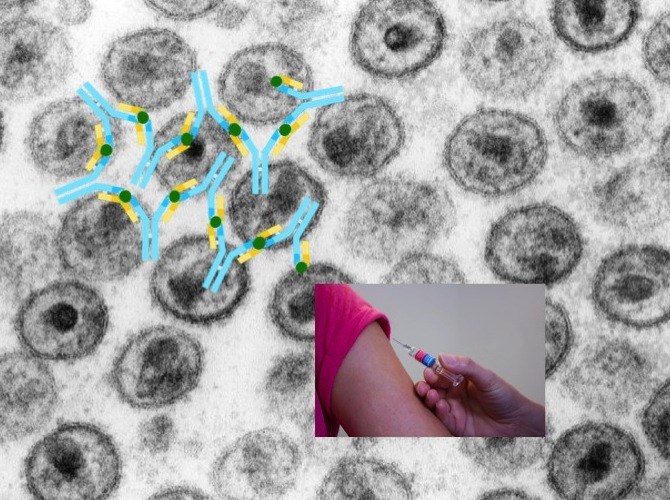
Keeping up with HIV mutations: Building a nimble vaccine test system
An AIDS vaccine able to fight any HIV strain has thus far eluded science. HIV frequently mutates its coat protein, dodging vaccine makers’ efforts to elicit sufficiently broadly neutralizing antibodies. Yet sometimes HIV-infected people can produce such antibodies on their own. This usually requires years of exposure to the virus, allowing the immune system to modify ... Read More about Keeping up with HIV mutations: Building a nimble vaccine test system