‘So much has changed’: Advances in XLH care help siblings thrive
Learn more about our Skeletal Health Center.
When Stephanie Capone was a child, she was diagnosed with X-linked hypophosphatemia (XLH), a rare genetic condition that makes bones weak, soft, and easy to fracture. XLH, which can be passed down through families, can lead to difficulty walking, bowlegs, short stature, and other challenges.
“I underwent many, many surgeries and had to take human growth hormone,” she remembers. Although her oldest child doesn’t have XLH, her son, Grayson, tested positive soon after birth. “We knew there was a chance he could have it, but we were still surprised and overwhelmed.”
Fortunately, says Stephanie, “things were very different back when I was a kid. So much has changed in medicine since then.”
The right team — and treatment
Because XLH doesn’t require immediate treatment, Stephanie was able to take some time to process the diagnosis. When she was ready, the family’s genetic counselor referred them to Dr. Nora Renthal, one of the medical directors of Boston Children’s Skeletal Health Center.
“She was so reassuring and walked us through Grayson’s diagnosis and treatment step by step,” she says.
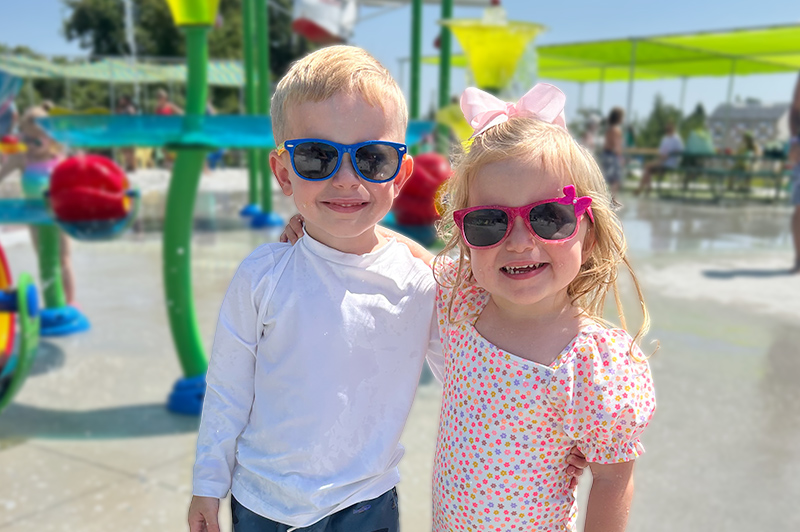
That reassurance continued when Stephanie’s third child, Amelia, also tested positive for XLH when she was born two years later. Unlike Stephanie’s experience, Grayson and Amelia have benefited from coordinated care provided by a multidisciplinary team of orthopedists, endocrinologists, and other specialists experienced in treating children with XLH, including Dr. Samantha Spencer, the center’s surgical director.
The treatment options are different, too: Both kids receive injections of burosumab (Crysvita) every two weeks — a medication used to treat children and adults with XLH that Stephanie hopes will help prevent the need for future surgeries.
“We explain to them in simple terms that the shots help their bones get stronger,” she says. “When they’re older, it will be easier to help them understand and navigate the condition.”
Just being kids
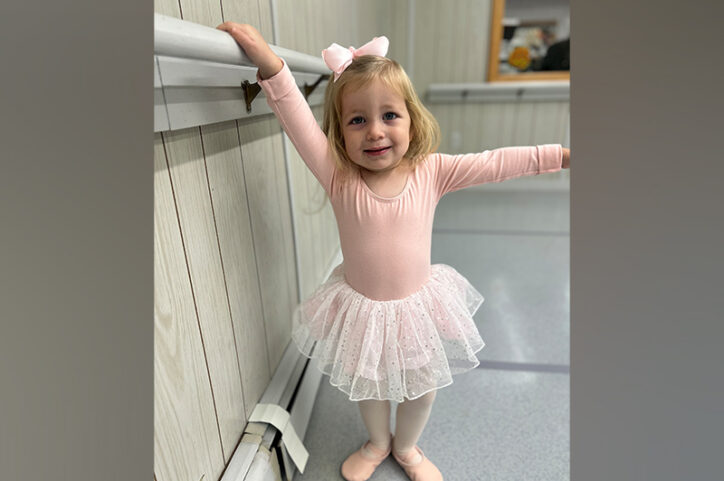
For now, the siblings are just focused on being kids. Amelia, now 3, is “our wild child,” laughs Stephanie. She’s chatty, daring, likes playing with dolls, and just wants to keep up with her older siblings. Case in point: She loves to dance but won’t attend her dance class unless her older sister, Madison, is by her side.
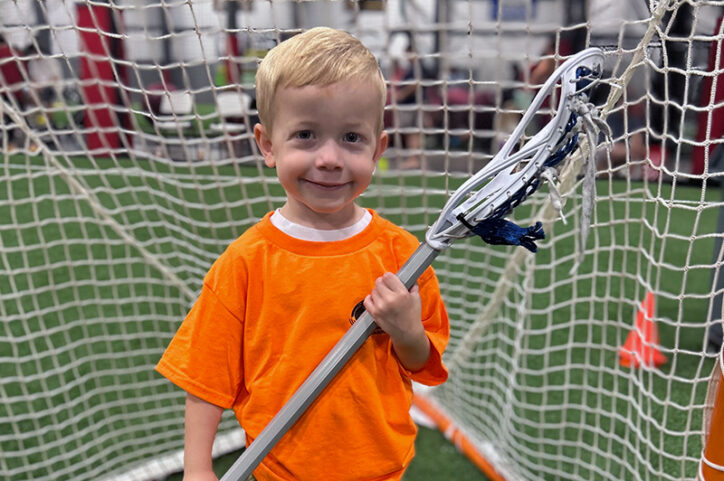
Shy and empathetic, 5-year-old Grayson loves music, monster trucks, and puzzles. He’s an active boy who likes riding his bike and playing hockey, soccer, and lacrosse.
“It’s amazing,” says Stephanie, “to see what they both can do.”
Related Posts :
-

Finding the right team for achondroplasia: Jeremy’s story
As an “older” mom, Erica Johnson was used to undergoing more frequent screenings while pregnant with her second child, Jeremy. ...
-
All together: Siblings both overcome retinoblastoma
In some ways, PJ and Jovi Fisher couldn’t be more different. PJ, 9, is quiet, laidback, and loves playing Minecraft ...
-
The right decision at the right time: Choosing pediatric thyroidectomy
In some ways, siblings Adelaide and Declan couldn’t be more different. Nine-year-old Adelaide is creative, artistic, and nurturing. Declan, 7, ...
-
“A setback for a comeback”: Brody perseveres with Paget-Schroetter Syndrome
Baseball has been part of Brody Walsh’s story from the very start. Now 19 and a college sophomore, Brody pitches ...